
Temperature excursions happen frequently when temperature-sensitive goods are in transit. These excursions often go undetected without the presence of a sophisticated monitoring system. Cargo data loggers provide a solution to this problem by providing continuous environmental monitoring of these products throughout the shipment period.
Cargo data loggers have various features to make temperature and humidity monitoring of pharma, vaccine, and other sensitive shipments easier. Some feature a display, while others provide cloud-based alerts on mobile. These data loggers make environmental monitoring during shipments easier, prevent product losses and ensure compliance.
In this detailed blog, we explore what cargo data loggers are, what models Lisaline Asia supplies, which factors you should look out for while choosing cargo data loggers, and a clear comparison between single-use and reusable data loggers for cold chain shipments.
What are cargo data loggers?
Cargo data loggers are electronic devices that are placed alongside packages of temperature sensitive products like pharmaceuticals, blood samples, vaccines, etc. They monitor the temperature of these products continuously during transit. Based on the model, these cargo data loggers either send the readings in real time to a cloud platform or store them in the internal memory to be accessed later.
The main purpose of these data loggers is to track temperature, humidity and other necessary parameters like shock, tilt, location, light, etc throughout the shipment. This is to ensure there are no breaches or excursions and the products remain within the safe range. The time stamped readings of these data loggers give a clear idea whether the products are effective and fit for use or have been compromised. The real time cloud based cargo data loggers, with their instant alert systems, help prevent temperature excursions during shipments ensuring proactive cold chain management.
Lisaline Asia supplies a wide product range of LoRaWAN, Bluetooth, GSM 4G data loggers for real time shipment monitoring. These cargo data loggers provide live data monitoring and real time alerts through the integrated cloud platform. The USB data loggers provide uninterrupted shipment monitoring while display data loggers provide the current status of shipments at a glance. All these cargo data loggers are from trusted international brands like Zebra, Dickson, Degrite, Tempmate, etc.
How do cargo data loggers work?
Depending on the data logger model, cargo data loggers work differently. Some have LoRaWAN connectivity for long range data transmission, Bluetooth connectivity for short range data transmission, GSM for global connectivity, and USB data loggers for easy plug and play.
However, all these cargo data loggers have a common working principle. They have internal and external sensors (depending on the model) which measure environmental conditions like temperature, humidity, light, shock, tilt, location, etc. Some models offer only temperature monitoring while others monitor temperature and relative humidity along with other factors. The cargo data loggers are battery powered or run on a power source and offer continuous monitoring throughout the shipment. The readings are either sent to the cloud platform or stored in the internal memory. The readings sent to the cloud platform can be accessed and viewed in real time while the readings stored in internal memory can be accessed after the shipment.
When the temperature or other parameters go beyond the safety thresholds, the cloud based systems trigger an alarm through SMS, email, app notifications or phone call alerts. For cargo data loggers without cloud integration, the data logger has LED indicators which act as on-device alarms.
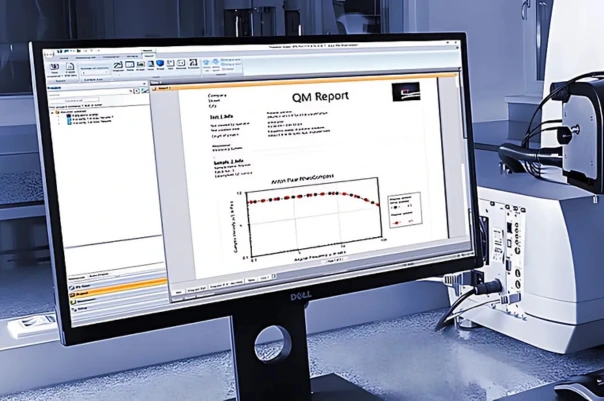
The cargo data loggers allow easy PDF/CSV downloads. For cloud integrated systems, the time stamped data along with graphs and unique insights can be directly downloaded from the cloud platform. For USB data loggers, the data can be stored in the internal memory till the end of the shipment. After the shipment is complete, USB data loggers with their plug and play design help in easy downloading of PDF/CSV reports which simplifies compliance and establishes a clear audit trail.
Why are cargo data loggers important in cold chain logistics?
Shipments carry the highest risk of temperature excursions. This is due to several factors like transit delays, loading and unloading operations, door openings during inspections, breaches in packages, custom clearance delays, inadequate packaging, extreme weather conditions, refrigeration equipment failures, etc.
Therefore, it is important to have cargo data loggers that continuously track and monitor the temperature, sometimes relative humidity and other factors like light, shock, tilt, location, etc., at regular intervals. The readings are recorded in internal memory and if supported, transmitted to a cloud based platform where they can be viewed in real time. These time stamped readings give a clear idea whether the products are effective and fit for use or have been compromised and breached. This helps teams to avoid administration of unsafe or affected products to end users and patients, preventing severe consequences.
Some cargo data loggers integrated with cloud platforms provide live data monitoring as they happen, real time alerts on device and through SMS, email, phone call, app based alerts. These cargo data loggers include:
- Bluetooth data loggers like Emerald, Atlas or ZS300
- GSM connected data loggers from Tempmate like Tempmate GS2 and Tempmate GM2
These real time alerts help teams take proactive action to prevent the excursions from happening. This saves the shipment from failing.
Cargo data loggers help in compliance during audits and inspections. They allow downloading of readings in time stamped format with graphs in PDF/CSV reports. These help companies comply with GDP, GMP and FDA 21 CFR Part 11, essential for pharmaceutical shipments. Cargo data loggers also ensure faster audits and inspections.
What are the different types of cargo data loggers used in cold chain shipments?
Depending on the shipment type whether land, air or sea, shipment duration, network availability, there are several types of cargo data loggers built to suit these varying needs.
Bluetooth Data Loggers
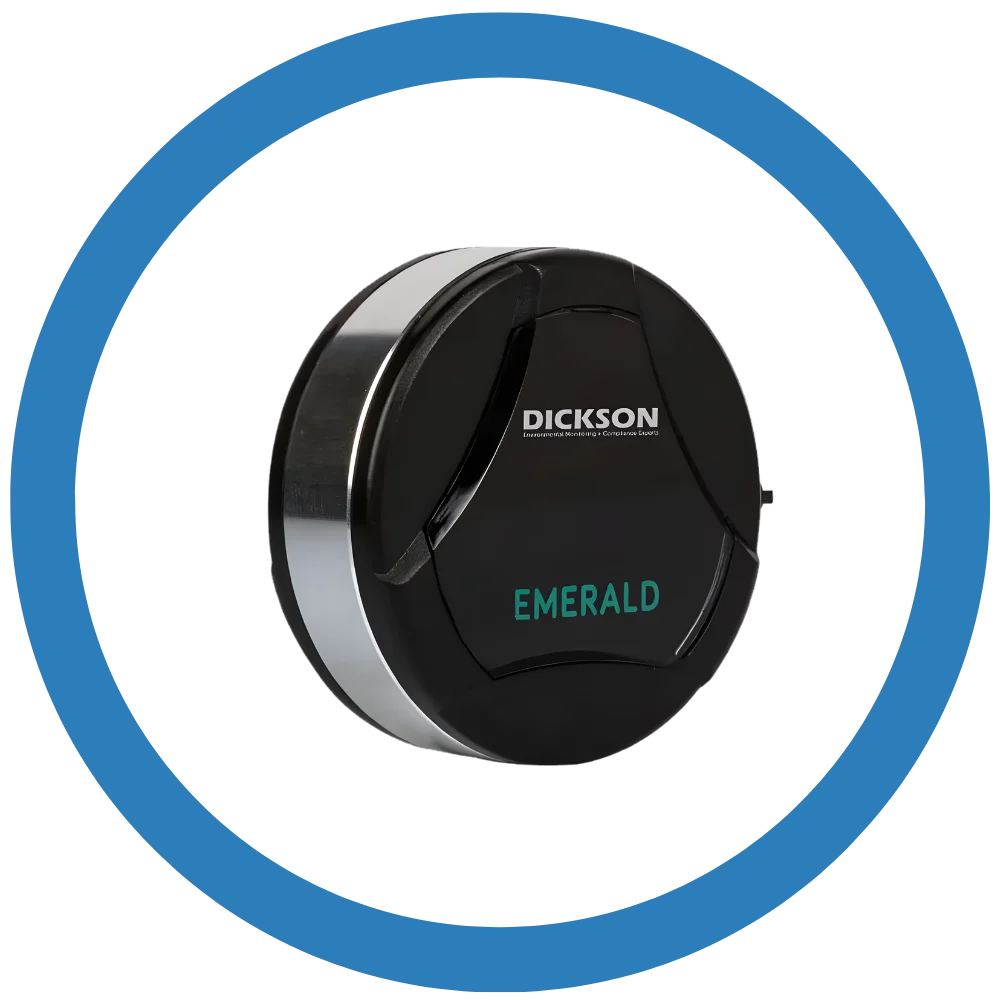
These cargo data loggers allow real time monitoring like LoRaWAN wireless loggers. The only difference is that the data transmission is limited to devices within Bluetooth range. These Bluetooth data loggers can be operated as standalone Bluetooth data loggers or as wireless sensors in wireless data logger systems. The Emerald data logger monitors only temperature, the Atlas monitors both temperature and humidity while the Zebra ZS300 monitors temperature only. These cargo data loggers also offer integration with cloud platforms OCEAView or Zebra Savannah (depending on the model). These Bluetooth data loggers can be connected with wireless data logger systems as sensors too.
GSM Data Loggers
GSM data loggers with global 4G connectivity allow real time monitoring through 4G connectivity with 2G fallback. The Tempmate GM2 monitors other parameters apart from temperature and humidity like light, tilt, shock and location. They allow data transmission to anywhere in the world, offering global visibility — you can track the status of your shipment from anywhere in the world. These GSM connected cargo data loggers come in both single use and multi use models.

USB Data Loggers
The cargo data loggers with a USB plug and play design store the readings in their internal memory which can be accessed later when the data logger is plugged into a laptop or computer device. The Degrite S USB Data Logger, manufactured and supplied by Lisaline, offers temperature monitoring. After the shipment is done, the data logger can be plugged into a laptop or computer. This automatically generates PDF/CSV reports which can be downloaded along with data exporting. These data loggers are suitable for shipments where real time monitoring is not required.

Display Data Loggers
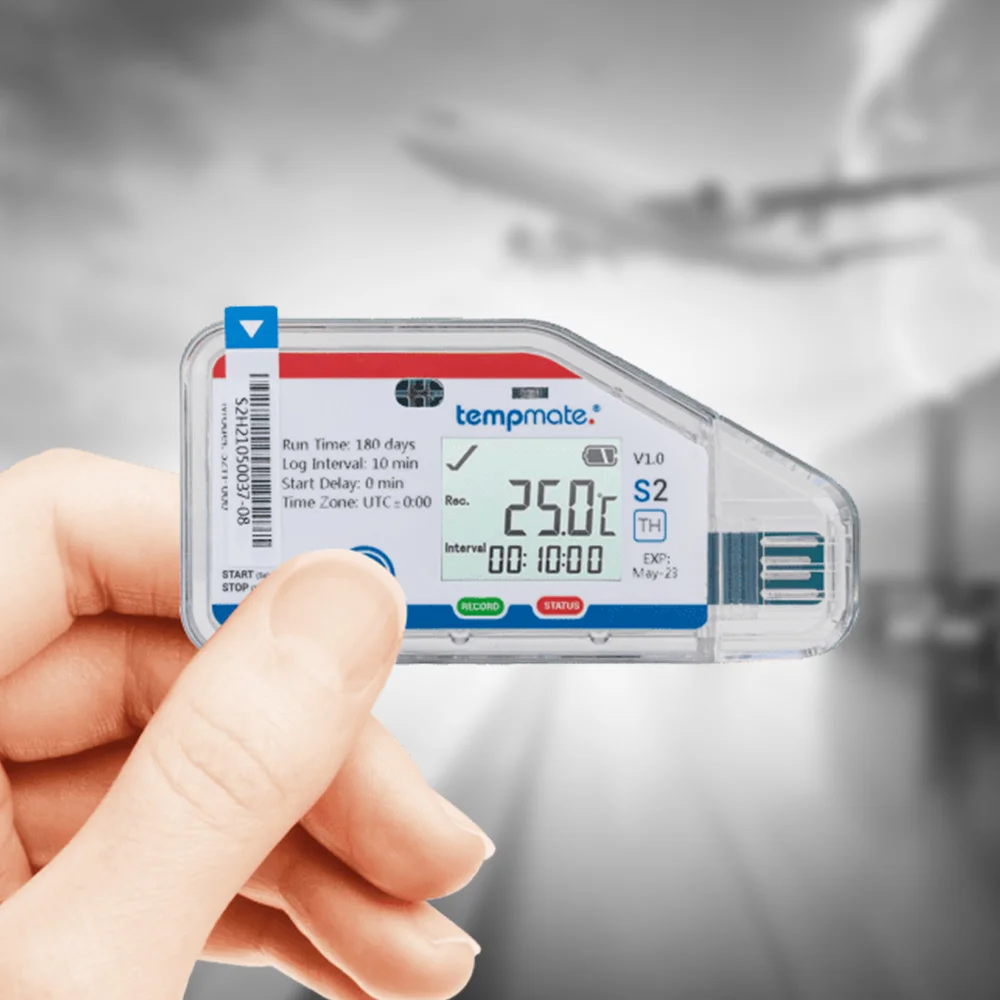
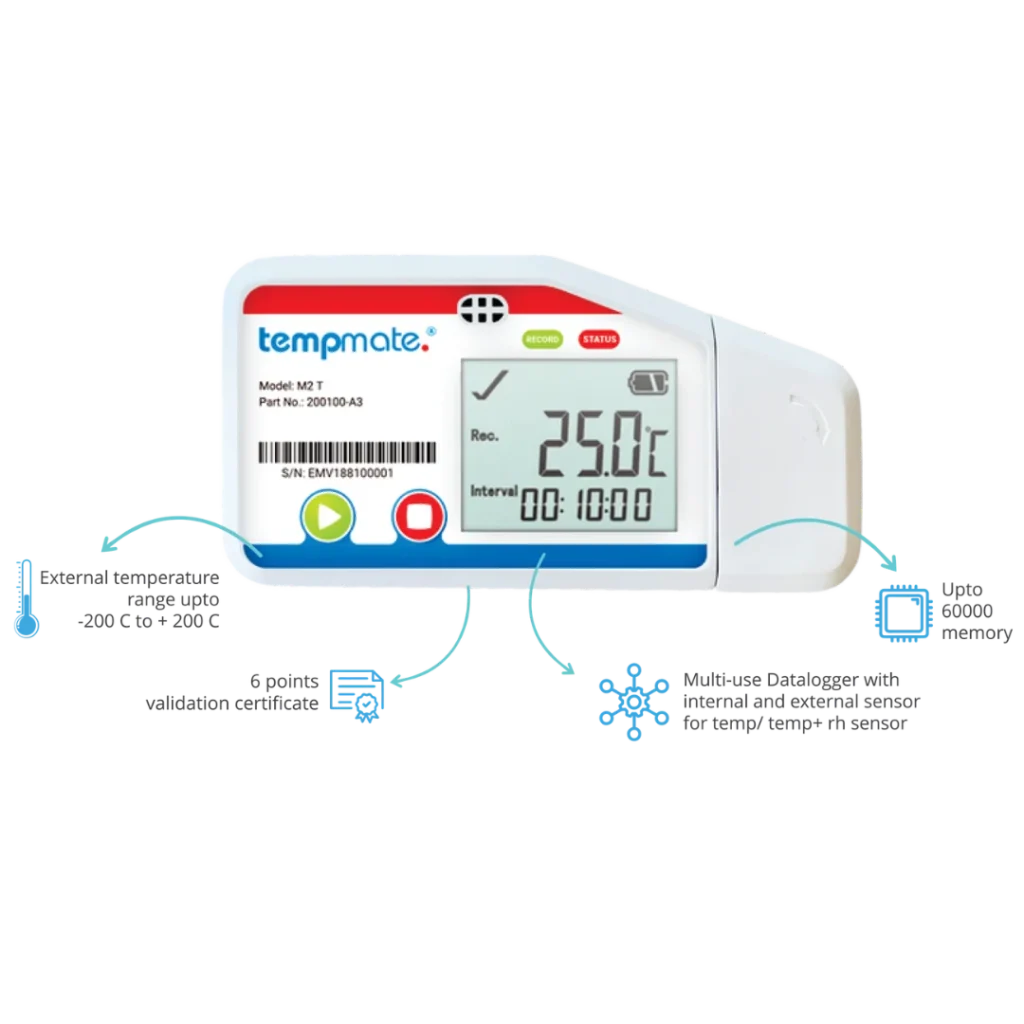
Display data loggers have an LCD display screen where critical parameters like current temperature, relative humidity, previous reading, battery level and other essential data are displayed. These data loggers have a USB connection to view data after the shipment. The Tempmate S2, M1 and M2 models fall in this category and allow you to view the status of your shipment at a glance without needing an app or cloud platform.
What parameters should cargo data loggers monitor?
The different parameters cargo data loggers should monitor depend on the type of goods being transported as well as the weather conditions along with several other factors. However, for standard cold chain shipments which include temperature sensitive products like pharmaceuticals, vaccines, blood samples, etc., the following parameters should be monitored:
- Temperature — The most critical parameter for any cold chain shipment. Products like vaccines, biologics and blood samples have very strict temperature ranges like 2°C–8°C for refrigerated goods and -20°C and below for frozen products. Any deviation must be recorded and flagged immediately.
- Humidity — High or low relative humidity can damage product packaging and affect product integrity. This is especially important for hygroscopic drugs and certain biologics.
- Location — GPS tracking and location monitoring help verify that the shipment has taken the correct route and is not subjected to unexpected delays or diversions that could indicate an excursion risk.
- Shock — Physical impact during loading, unloading or road transport can damage fragile products or packaging. Shock sensors help detect and record such events.
- Tilt — Some products must remain upright throughout transit. Tilt monitoring helps detect whether products have been handled incorrectly.
- Light — Light sensitive products like certain vaccines and medications can be degraded by exposure to light. Light monitoring ensures products have not been improperly exposed during transit.
What are the factors to consider while choosing cargo data loggers?
Choosing the right cargo data logger is not just about picking the most expensive or most feature-rich device. It is about matching the right device to your specific shipment requirements. Here are the key factors you should evaluate before making a decision:
1. Type of shipment and transport mode
The type of transport- land, air or sea — significantly affects which cargo data logger you need. For long international shipments via air or sea, a GSM connected data logger like the Tempmate GM2 or GS2 is ideal as it offers global 4G connectivity and can transmit readings from anywhere in the world. For domestic road shipments where network coverage is more predictable, a LoRaWAN based wireless data logger or a USB data logger may be sufficient.
For short distance last mile deliveries, a Bluetooth data logger like the Emerald or Atlas connected to a mobile device or Bluetooth gateway may be the right fit.
2. Real time monitoring vs post-shipment data access
This is one of the most important decisions you need to make. If your products are high value or highly temperature sensitive like biologics, cell therapies or vaccines, you need real time monitoring so your team can take immediate corrective action if an excursion happens. For real time monitoring, choose GSM data loggers like Tempmate GM2, or Bluetooth data loggers like Emerald or Atlas.
If your products are less critical or if your shipment routes are short and well managed, post-shipment data access through USB data loggers like the Degrite S may be sufficient. These are simpler, more cost effective and still provide a complete record of the shipment for compliance.
3. Parameters to monitor
Not all shipments need all parameters. If you are shipping only temperature sensitive products, a temperature-only logger may be enough. If your products are also humidity sensitive, choose a model like the Atlas that monitors both temperature and humidity. For high-risk international shipments, consider the Tempmate GM2 which monitors temperature, humidity, light, tilt, shock and location — giving you the most complete picture of the shipment conditions.
4. Shipment duration
For short shipments of one to three days, a small USB data logger with adequate battery life and memory is usually enough. For longer shipments spanning several days or weeks, you need a data logger with a long battery life and high memory capacity. The Tempmate GS2 and GM2 have battery life suited for extended international shipments.
5. Single-use vs reusable
For high-volume shipments to multiple destinations where returning the device is not practical, single-use data loggers are more cost effective. For regular internal shipments or shipments within a controlled network, reusable data loggers offer better value over time. We cover this in detail in the single-use vs reusable comparison section below.
6. Compliance requirements
If your shipments are regulated under GDP, GMP, or FDA 21 CFR Part 11, you need a data logger that provides tamper-proof time stamped records, PDF/CSV reports with complete chain of custody and, ideally, integration with a validated cloud platform. The Tempmate range provides detailed PDF reports that support compliance audits.
7. Connectivity and network availability
Not all shipment routes have reliable connectivity. LoRaWAN is ideal where LoRaWAN gateways are available, as it offers long range transmission with very low power. GSM data loggers provide the widest global coverage as they work on 4G networks with a 2G fallback. Bluetooth data loggers require a paired device to be within range for real time data access. For routes with no connectivity at all, USB data loggers that store data onboard remain the most reliable option.
8. Ease of use and setup
Data loggers that are difficult to set up or operate can lead to errors during shipments. Choose models that are easy to start, program and interpret. USB data loggers like the Degrite S are plug and play with automatic PDF generation. Display data loggers like the Tempmate M1 and S2 show current readings at a glance without needing any app or platform.
9. Alarm system
For high-value shipments, a data logger with only on-device LED alarms is not enough. You need a data logger that sends real time alerts via SMS, email, app notification or phone call so your team can respond immediately.The Emerald, Atlas, Tempmate GS2 and Tempmate GM2 all support cloud integrated real time alerts through OCEAView or their respective platforms.
10. Budget
The cost of cargo data loggers varies widely depending on features, connectivity and whether the device is single-use or reusable. USB data loggers are the most cost effective option for low-risk shipments. Reusable LoRaWAN or Bluetooth data loggers have a higher upfront cost but offer better value for frequent shipments. GSM data loggers typically have both a device cost and an ongoing connectivity cost. Lisaline Asia can help you evaluate the right solution based on your shipment volume and budget.
What are the features to look for in cargo data loggers?
Beyond the selection factors above, there are specific features that make a cargo data logger more effective and easier to use in real-world shipments. Here is what to look for:
Measurement accuracy and sensor quality
The core function of any data logger is accurate measurement. Look for data loggers with high-accuracy sensors, typically ±0.5°C or better for temperature. Probe-based external sensors are preferred for pharmaceutical shipments as they can be placed directly in the product zone rather than just measuring ambient conditions.
Memory capacity and logging interval
Higher memory capacity means more readings over a longer period. A logging interval of one to five minutes is standard for most pharmaceutical shipments. Shorter intervals capture more detail but fill memory faster. Choose a data logger whose memory and interval settings match the expected shipment duration without gaps.
Battery life and replacement
Battery failure mid-shipment means data loss. Choose data loggers with sufficient battery life for the expected shipment duration, with a safety margin. For single-use data loggers like the Degrite S, the battery is designed to last for the device’s intended use period.
PDF/CSV report generation
Automatic PDF report generation with time stamped data and graphs is essential for compliance. This removes the need for manual data entry and ensures a clean, tamper-evident audit trail. All data loggers supplied by Lisaline Asia support PDF or CSV report generation either automatically on connection (USB models) or through the cloud platform.
Cloud integration and alert system
Cloud integration transforms a data logger from a passive recorder to an active part of your cold chain management. Look for data loggers that integrate with validated cloud platforms that offer real time dashboards, downloadable reports, multi-user access and alert management. The OCEAView platform integrated with Emerald and Atlas and the tempmate cloud platform integrated with Tempmate GSM loggers are both well established in pharmaceutical cold chain monitoring.
Tamper evidence and data security
For regulated shipments, the integrity of data is as important as the data itself. Look for data loggers with password protected alarm acknowledgment, tamper-evident seals and time-stamped records that cannot be altered after the fact. These features are essential for GDP, GMP and FDA 21 CFR Part 11 compliance.
Size and form factor
Cargo data loggers should be compact and light enough to fit within packaging without affecting the product arrangement. Single-use data loggers like the Degrite S are designed to be as slim and small as possible. Reusable data loggers like the Tempmate M2 are similarly compact with a small footprint for easy placement inside shipment boxes.
IP rating and environmental robustness
Shipments can expose data loggers to moisture, dust, vibration and physical impact. Choose data loggers with appropriate IP ratings for the environments they will travel through. This is especially important for sea shipments or shipments through humid tropical routes common in India and South Asia.
Single-use vs Reusable Cargo Data Loggers: Which should you choose?
One of the most common questions when selecting cargo data loggers is whether to go with single-use or reusable models. Both have clear advantages depending on your shipment type, frequency and logistics setup. Here is a detailed comparison to help you decide.
Single-Use Cargo Data Loggers
Single-use cargo data loggers are pre-programmed devices that are activated at the start of a shipment and discarded after the data has been downloaded at the destination. The Tempmate GS2 is available as a single-use GSM connected data logger. The Degrite S USB data logger by Lisaline is also used in single-use configurations.
Advantages of single-use data loggers:
- No return logistics required. The device stays with the shipment and is disposed of at the destination. This eliminates the cost and complexity of returning devices, which is especially important for international shipments.
- Always pre-programmed and ready. Each device comes pre-configured so there is no risk of a device being improperly set up before a shipment.
- Suitable for one-way shipments. Where the receiving party is a customer or end distributor who cannot be expected to return the device, single-use data loggers are the practical choice.
- Lower risk of device damage or loss. With reusable devices, damage or loss in transit is a direct cost. Single-use devices are costed per shipment, so this risk is absorbed.
Limitations of single-use data loggers:
- Higher cost per shipment over time. For high-frequency shipments between two controlled locations, the recurring cost of single-use devices adds up significantly compared to a one-time investment in reusable devices.
- Environmental impact. Disposal of single-use devices generates electronic waste. This is an increasingly important consideration for companies with sustainability commitments.
- Limited features. Single-use data loggers tend to have a more limited set of features compared to their reusable counterparts.
Reusable Cargo Data Loggers
Reusable cargo data loggers can be reprogrammed and used across multiple shipments. The Tempmate GM2, the Tempmate M1 and M2, and the Bluetooth data loggers like Emerald and Atlas are all reusable models supplied by Lisaline Asia.
Advantages of reusable data loggers:
- Lower cost per shipment over time. A reusable device that handles hundreds of shipments has a significantly lower per-shipment cost compared to single-use alternatives. This is especially true for high-frequency shipments.
- More advanced features. Reusable data loggers typically offer multi-parameter monitoring, cloud integration, real time alerts, touchscreen interfaces and longer battery life with replaceable batteries.
- Better sustainability. Fewer devices need to be manufactured and disposed of, reducing the environmental footprint of your cold chain monitoring.
- Consistent monitoring quality. With calibrated reusable devices and a structured maintenance program, you ensure consistent monitoring quality across shipments.
Limitations of reusable data loggers:
- Return logistics required. The device must be returned after each shipment, which adds complexity and cost for one-way or international shipments.
- Risk of damage, loss or misconfiguration. Reusable devices can be damaged in transit or misconfigured for the next shipment if proper handling procedures are not in place.
- Requires calibration and maintenance. Reusable data loggers need periodic calibration and maintenance to ensure continued accuracy. Lisaline Asia provides calibration services with ISO/IEC 17025 certified labs and full documentation to support this.
Which should you choose?
As a general guide:
- Choose single-use data loggers if your shipments are one-way to customers or distributors, if return logistics are not feasible, or if shipment volumes are low and per-shipment costs are manageable.
- Choose reusable data loggers if your shipments are between controlled locations within your own logistics network, if you have a high shipment frequency, or if you need advanced monitoring features like real time cloud alerts, multi-parameter monitoring and compliance-ready reporting.
For many companies, the best approach is a combination of both — reusable data loggers for regular internal transfers and single-use data loggers for outbound customer shipments.
What services does Lisaline Asia provide for Cargo Data Loggers?
Lisaline Asia does not just supply cargo data loggers — we provide a complete ecosystem of services to ensure your cold chain monitoring is effective, compliant and well supported.
Supply of cargo data loggers from trusted brands
Lisaline Asia is the official licensed supplier of cold chain monitoring devices from trusted international brands including Tempmate (GS2, GM2, M1, M2, S2), Zebra (ZS300), and Lisaline’s own Degrite S USB data logger. These are all authentic, calibrated devices with proper documentation.
Calibration services with ISO/IEC 17025 certified lab
All cargo data loggers need to be calibrated before use and periodically recalibrated to maintain accuracy. Lisaline Asia provides calibration services using ISO/IEC 17025 certified measurement sensors. These calibration certificates are essential for GDP, GMP and FDA 21 CFR Part 11 compliance during audits and inspections.
Thermal mapping and validation services
Before deploying cargo data loggers for your shipments, it is important to understand the temperature profile of your packaging and transport environment. Lisaline Asia conducts thermal mapping services for shipment packaging, cold rooms and warehouses. We also provide validation services including IQ/OQ protocols for data logger systems.
Installation, commissioning and training
For reusable data logger systems integrated with cloud platforms like OCEAView, Lisaline Asia provides complete installation and commissioning support. This includes setting up the devices, configuring alarm limits, integrating with the cloud platform and training your team on correct usage and alarm response.
After-sales support and annual maintenance contracts
Lisaline Asia provides after-sales service and support across India and South Asia. Our service team is available for troubleshooting, hardware repairs, battery replacements and preventive maintenance under annual maintenance contracts. We also provide 24×7 online support for real time datalogging systems so you are never left without help when you need it most.
Compliance documentation for audits
Lisaline Asia provides complete compliance documentation including calibration certificates, device validation reports and traceable records that support GDP, GMP and FDA 21 CFR Part 11 audits. This removes the burden of documentation from your team and ensures you are always audit-ready.
Conclusion: Cargo Data Loggers for Pharmaceutical Shipments
Choosing the right cargo data logger for your cold chain shipments is not a one-size-fits-all decision. It depends on your shipment type, transport mode, regulatory requirements, monitoring needs and budget. The key is to match the right device to the right use case.
Lisaline Asia supplies a comprehensive range of cargo data loggers from trusted international brands — GSM data loggers from Tempmate, Bluetooth data loggers including Emerald, Atlas and Zebra ZS300, display data loggers like Tempmate M1, M2 and S2, and the Degrite S USB data logger. Whether you need real time global monitoring for international pharmaceutical shipments or simple PDF reports for domestic cold chain transfers, Lisaline Asia has the right solution.
Backed by over 20 years of cold chain experience, ISO/IEC 17025 certified calibration services, local technical support across India and South Asia, and complete compliance documentation, Lisaline Asia is your end-to-end partner for cargo data logging and cold chain monitoring.
Fill in the contact form on our website and our team will reach out to you to discuss your specific requirements. Visit lisalineasia.com for more details on all our cargo data logger models and services.