
Cooling Boxes for Shipping are the modern solution to protecting the temperature of temperature-sensitive products used in medical and pharmaceutical applications. They solve the problem of carrying heavy refrigerators and freezers in shipping, which causes delays and handling risks in cold chain logistics. When delivering critical items, the right cooling solution can make the difference between a safe and compliant delivery or an affected delivery.
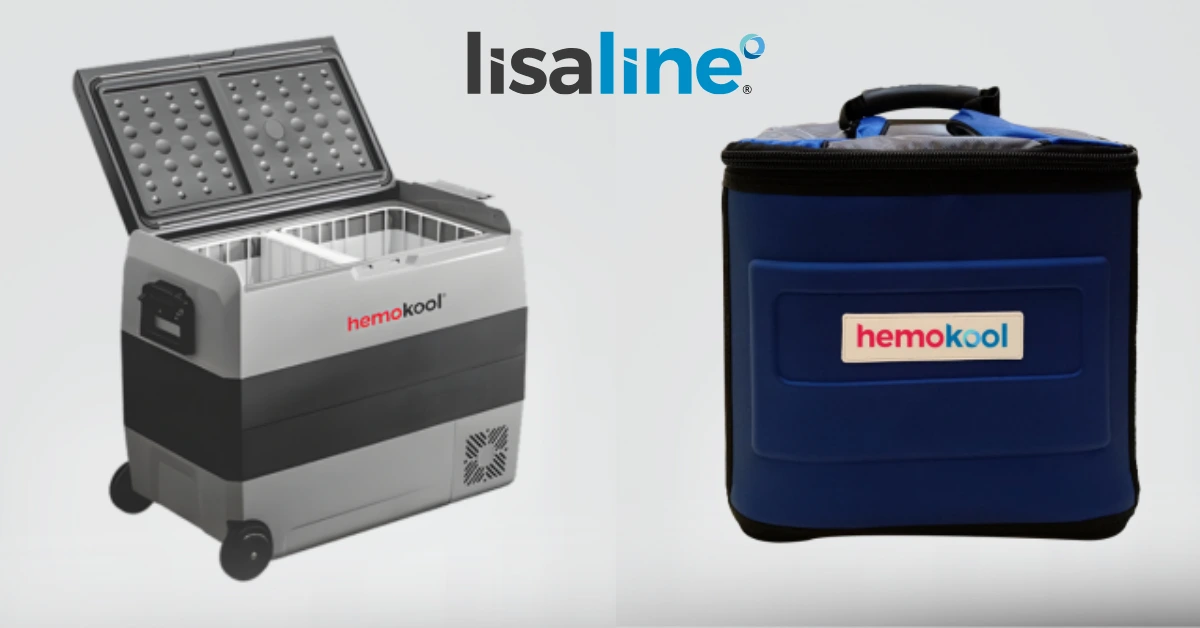
Lisaline Asia is the official supplier of Hemokool’s Active and Passive Cooling Boxes for shipping. These cooling boxes utilise the active and passive cooling systems to maintain the integrity of medical and pharmaceutical products. They are portable cooling solutions that can be lifted and carried anywhere. These powered and non-powered alternatives can be chosen according to the shipping duration and application needs.
In this blog, we will learn in detail what cold chain boxes are, their benefits in cold chain logistics, features of active and passive cold chain boxes and choosing the best cooling boxes for shipping among them.
What are Cooling Boxes for Shipping?
Cooling boxes for shipping are insulated containers designed to keep the temperature of temperature sensitive products within a specified range during shipping and transport. These temperature sensitive items include medicines, vaccines, blood items, perishable food items, etc., that can be affected if exposed to heat. These cooling containers use electric controls or pre-frozen gel packs to maintain the temperature of these items in a certain range. Insulation prevents the items from being exposed to outside heat.
Lisaline supplies both Hemokool Active Cooling Boxes and Passive Cooling Boxes. With both electric and non-electric cooling boxes for shipping, we are revolutionising cold chain logistics in India.
What are the benefits of cooling boxes for shipping in cold chain logistics?
Cooling Boxes for Shipping play a vital role in cold chain logistics. They keep temperature-sensitive products safe without the need for bulky refrigerators or freezers during transport. These insulated containers offer a practical and more reliable alternative to costly shipping methods that are difficult to handle, less flexible, and often fail to provide consistent protection for sensitive goods. Here are some of the benefits of cooling boxes for shipping in cold chain logistics:
- Portability
Cooling Boxes like those from Lisaline Asia have foldable handle for lifting and wheels for smooth movement. This makes it easy to move them from one place to another without heavy lifting which is especially useful in shipping. This portable design eliminates the need for bulky refrigerators and freezers during transport. As a result, they make handling these temperature sensitive shipments more convenient, efficient, and practical.
- Durability
The cooling boxes for shipping supplied by Lisaline are built for durability with tough reusable materials designed to last through repeated shipping cycles. The passive cooling boxes ensure a durable polyurethane exterior with a PVC interior and effective insulation. The active boxes on the other hand are made with sturdy metal exteriors and PU foam insulation. This strong construction not only protects the temperature sensitive items inside but also ensures long term performance in demanding cold chain monitoring environments.
- Automatic temperature control
Cooling boxes for shipping provide automatic temperature control using active cooling systems powered by AC or DC power. These cold chain boxes maintain the required internal temperature through precise electric controls, which continuously regulate cooling through temperature-sensitive shipments. They do not rely on ice packs or frozen gel packs and ensure automatic temperature control.
- Proper Insulation
Both active and passive cooling boxes use proper insulation to protect the temperature sensitive products from outside heat. Active Cooling Boxes have PU foam insulation, while Passive cool box models have PVC liners. This ensures temperature stability throughout shipping.
- Energy Efficiency
Active cooling boxes for shipping supplied by Lisaline Asia have precise electric controls and are efficient as they use a DC compressor. These cooling boxes also have a dual-chamber setting, allowing the transport cool box unit to be used for two different cold chain shipments with a removable partition for flexible cold chain operations.
What are the types of cooling boxes for shipping?
Lisaline Asia supplies Hemokool’s active and passive cooling boxes for maintaining strict temperature integrity during shipping or medical and pharmaceutical products. These cooling boxes for shipping use high-performance active cooling systems and reliable passive insulation systems. This bridges the gap between electric and non-electric cool boxes. This ensures that sensitive biologics, vaccines, and blood components remain protected against environmental temperature fluctuations.
Here are the two types of cooling boxes for shipping supplied by Lisaline Asia:
Active Cooling Boxes
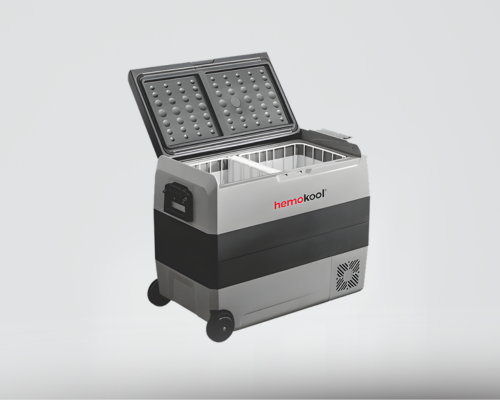
Active Cooling boxes have active cooling system. They use precise electric controls and a DC powered compressor for maintaining the temperature of sensitive products during shipping and storage. These cold chain boxes do not rely on pre frozen packs or gel packs. They are suitable for long term shipments ensure better temperature stability and continuous cooling even in case of temporary power outages.
Lisaline Asia supplies Hemokool Cooling boxes for shipping, which feature R134a refrigerant, a digital LCD display, dual-chamber setting, built-in handle, and wheels. They work on both AC and DC power supply and have a battery backup option for minor power outages.
Passive Cooling Boxes
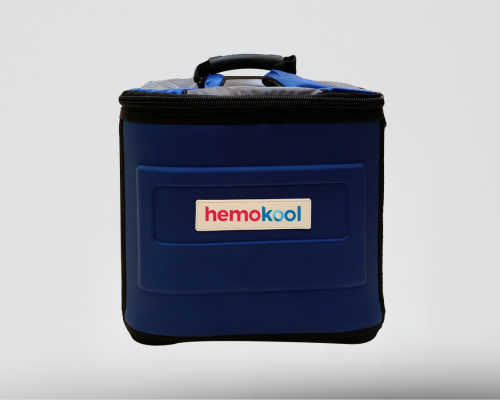
Passive cooling boxes use the passive cooling system. They rely on pre-frozen or gel packs to maintain the temperature of sensitive items. They are non-powered work without electricity and hence are suitable for short-term shipments and temporary storage.
Hemokool Passive Cooling Boxes for shipping supplied for Lisaline Asia use KOOLGEL packs. These absorb heat from the surroundings and maintain the temperature inside. These are highly insulated containers with a multilayered construction of PVC liners, preventing the temperature-sensitive products from outside heat.
What are the features of Active cooling boxes for shipping?
Active Cooling Boxes use precise electric controls and ensure the temperature of the sensitive items remains within the range during shipping without needing to add frozen gel packs. Here are the features of Active Cooling Boxes:
- DC-Powered Compressor
Active cooling boxes utilise a powered DC compressor with integrated electronic controls to actively regulate internal temperatures. The compressor manages active cooling, which allows you to maintain temperatures to set and maintain specific temperature ranges within -20°C to +20°C, regardless of outside temperature.
- R134a Refrigerant:
Active cooling boxes use R134a refrigerant, a hydrofluorocarbon refrigerant which uses thermodynamic efficiency, enabling the compressor to reach and hold target temperatures quickly.
- Battery backup
The battery backup system in active cooling boxes serves as a critical safety feature that provides 3-6 hours of continuous active temperature regulation when primary sources of power like AC and DC are unavailable. The battery backup option proves useful, especially during power switches during transit, loading, and unloading, as it maintains the compressor. This ensures the continuous cooling of temperature-sensitive products even during temporary power outages.
- Digital LCD Display
The digital LCD display functions both as a precision interface for setting specific temperature targets and a real-time monitor for constant climate verification. This ensures that you can track the internal temperature without opening the box. This preserves the temperature and integrity of the temperature-sensitive items like vaccines, medicines, blood products, etc.
- Dual Chamber Setting
The dual-chamber setting allows the active cool box unit to be used with a removable partition for flexible temperature-controlled storage and shipping. This enables the organised shipping and storage of multiple products with varying thermal requirements.
- Durable and Portable Design
Active Cooling boxes are made of strong metal exteriors and have PU foam interiors that ensure strong insulation. This ensures long-term performance in multiple shipping cycles. With foldable metal handles and rubber or polyurethane wheels, these transport cool boxes can be carried anywhere without much hassle during shipping.
How do Active Cooling Boxes for Shipping work?
Hemokool Active Cooling Boxes work as portable refrigerators or freezers. These are powered, use electric controls and a R134a refrigerant for cooling. They have a dual-chamber setting to handle different requirements. If features an LCD display screen to set the temperature range and view real time status.
The Active Cooling Boxes work on AC or DC power sources and feature a battery backup option for sudden power outages, power switches during transits, etc. The active cooling system keeps the temperature of the medical or pharmaceutical boxes within the set range. The DC compressor continuously removes heat from inside these highly insulated containers that prevent outside heat from entering.
What are the features of Passive Cooling boxes for shipping?
Hemokool Passive cooling boxes supplied by Lisaline Asia rely on pre-frozen gel packs like KOOLGEL for maintaining the temperature of sensitive items. These are suitable for short-term shipping. With great insulation, they protect the temperature-sensitive shipments from outside heat, ensuring the integrity of products. Here are the features of passive cooling boxes:
- Highly insulated containers
Hemokool Passive Cooling Boxes use a multi-layered construction design that minimises thermal exchange with the outside environment. These transport cool boxes have PVC interiors with removable liners. These cold chain carriers have a durable polyester or leak-proof fabric exterior, which ensures the temperature-sensitive products are not affected by outside heat.
- Rely on pre-frozen or gel packs
These passive cool box models rely on pre-frozen gel packs called KOOLGEL. These packs ensure that the temperature of temperature-sensitive products is maintained even without electricity. The interior of these boxes has removable PVC liners. The removable liners have pockets to place KOOLGEL packs. These KOOLGEL packs absorb heat from the surroundings, preventing the temperature of sensitive shipments from rising.
- Temperature Range
Passive Cooling Boxes for shipping offer +2ºC to +8ºC for more than 12 to 16 hrs at an ambient temperature of +30ºC.
- Available in different sizes
Hemokool Passive Cooling Boxes for shipping are designed for varying cargo requirements. Therefore, these thermal carry bags are available in multiple sizes as per the temperature-sensitive items they have to carry, like vaccines, medicines, blood products,etc.
How do Passive Cooling Boxes for Shipping work?
Hemokool Passive Cooling Boxes are non-powered insulated containers. They work entirely on insulation and rely on pre frozen gel or coolant packs.
Built with a multi-layered polyurethane or fabric exterior that is leak-proof and an insulated interior with PVC liners, these cool carrier bags prevent outside heat from entering. The little heat that enters is absorbed by coolant packs that provide cooling and maintain the temperature integrity of the products inside.
Active Cooling Boxes vs Passive Cooling Boxes: Which are the best cooling boxes for shipping in cold chain logistics?
When choosing cooling boxes for shipping with active or passive cooling systems, it is important to understand the distinct operational differences between them:
- Power Requirements
Active Cooling Boxes are designed for shipping operations when a consistent AC or DC power source is available to run the DC compressor and provide cooling inside. Passive Cooling Boxes, on the other hand, do not require power. They rely on the containers insulation capabilities and frozen gel packs that absorb outside heat and maintain cooling within.
- Cooling Mechanism
Active cooling boxes use a DC-powered compressor to continuously remove heat from the interior. This allows for uniform cooling and precise temperature management. Passive cooling boxes rely on multi-layered designs that ensure high insulation along with pre-frozen gel packs. Insulation ensures the products within are protected from most of the outside heat and the small amount of heat that enters is absorbed by pre-frozen packs, maintaining the integrity of the shipment contents.
- Shipment Duration
Active cooling boxes are the ideal choice for long-term shipments where the transit time is extensive. Here, relying on pre-frozen packs and insulation is not enough to maintain the temperature. Passive cooling boxes are more suitable for short-term shipping applications where transit duration is limited. Here, insulation and the presence of frozen gel packs are enough to maintain the integrity of medical and pharmaceutical products within.
- Temperature Stability
With active cooling, users can set and maintain specific user-defined temperature ranges regardless of the outside environment. Passive cooling boxes maintain temperature through the combination of high-density insulation and the thermal capacity of the coolant packs, making them highly sensitive to the initial loading conditions.
- Operational Dependency
The users can highly rely on active cooling boxes as they do not require preparation and refilling of coolant packs or pre-frozen gel packs. Passive systems are operationally dependent on the insulation capacity and the availability of pre-frozen packs before each shipment. Active Cooling Systems depend on an AC/DC power source, while passive cooling boxes depend on coolant packs.
- Heat Management
Active cooling boxes use a DC compressor to proactively remove heat from the internal chamber to maintain the temperature. Passive cooling boxes manage heat by preventing heat from entering through multi-layered insulation chambers and pre-frozen packs that absorb the heat that does penetrate.
- Digital LCD Display
Active Cooling Boxes come equipped with a digital LCD that ensures precise climate management. This display allows the user to set specific temperature ranges and monitor internal temperatures in real time. This provides immediate visibility into the status of the products without opening the box. Passive cooling boxes, on the other hand, do not have digital LCD displays. This is because they do not have powered adjustable refrigeration components. Therefore, the users cannot get a real-time temperature status of the products within and require the use of external data loggers or independent monitoring devices to ensure that breaches do not occur during shipping.
Choose active cooling boxes for shipping when the shipment needs to travel for a long time, and the temperature must stay tightly controlled throughout the journey. They are the better option for long distances, extended transit and sensitive products that cannot tolerate temperature fluctuation. However, passive cooling boxes are a good alternative with shorter shipments, lower transit times when insulation and pre-frozen packs are enough to protect the shipment. They work well for quicker deliveries, especially when the outside temperature is moderate and the route is carefully planned.
Conclusion- Cooling Boxes for Shipping
Lisaline is the official supplier of cold chain monitoring solutions in India. We supply critical cold chain monitoring equipment manufactured from some of the best international companies, like Zebra, Dickson, Temptime, Degrite, Hemokool, etc. Getting equipment from a licensed supplier means you get genuine, compliance-ready cold chain monitoring solutions you can rely on.
Hemokool Active Cooling Boxes for shipping ensure temperature stability through precise electric controls, a DC compressor, a battery backup option, and R134a refrigerant. These boxes also feature a strong metal exterior, foldable metal handles, and rubber or polyurethane wheels. This provides exceptional temperature management during long-term shipments.
Hemokool Passive Cooling Boxes for shipping protect the temperature of temperature-sensitive items by relying on pre-frozen gel packs. These highly insulated containers protect the products inside from outside heat. The pre-frozen gel packs absorb heat and maintain the inside temperature. They have leak-proof fabric or polyurethane exteriors and PVC interior liners.
Choose Lisaline for:
- Professional in-house calibration to ensure temperature sensors within the cooling boxes are accurate.
- Comprehensive testing, including Installation Qualification (IQ) and Operational Qualification (OQ), to verify that the cooling boxes meet the specified requirements.
- Temperature mapping to assess and document the climate distribution within the cooling boxes, which is critical for medical and pharmaceutical compliance.
- Specialised testing to confirm the performance and integrity of the cooling units.
- Dedicated technical assistance for maintenance, troubleshooting, and after-sales support to ensure the long-term operational integrity of the cooling solutions.
Contact our team today to discuss your requirements. Visit our website today!