
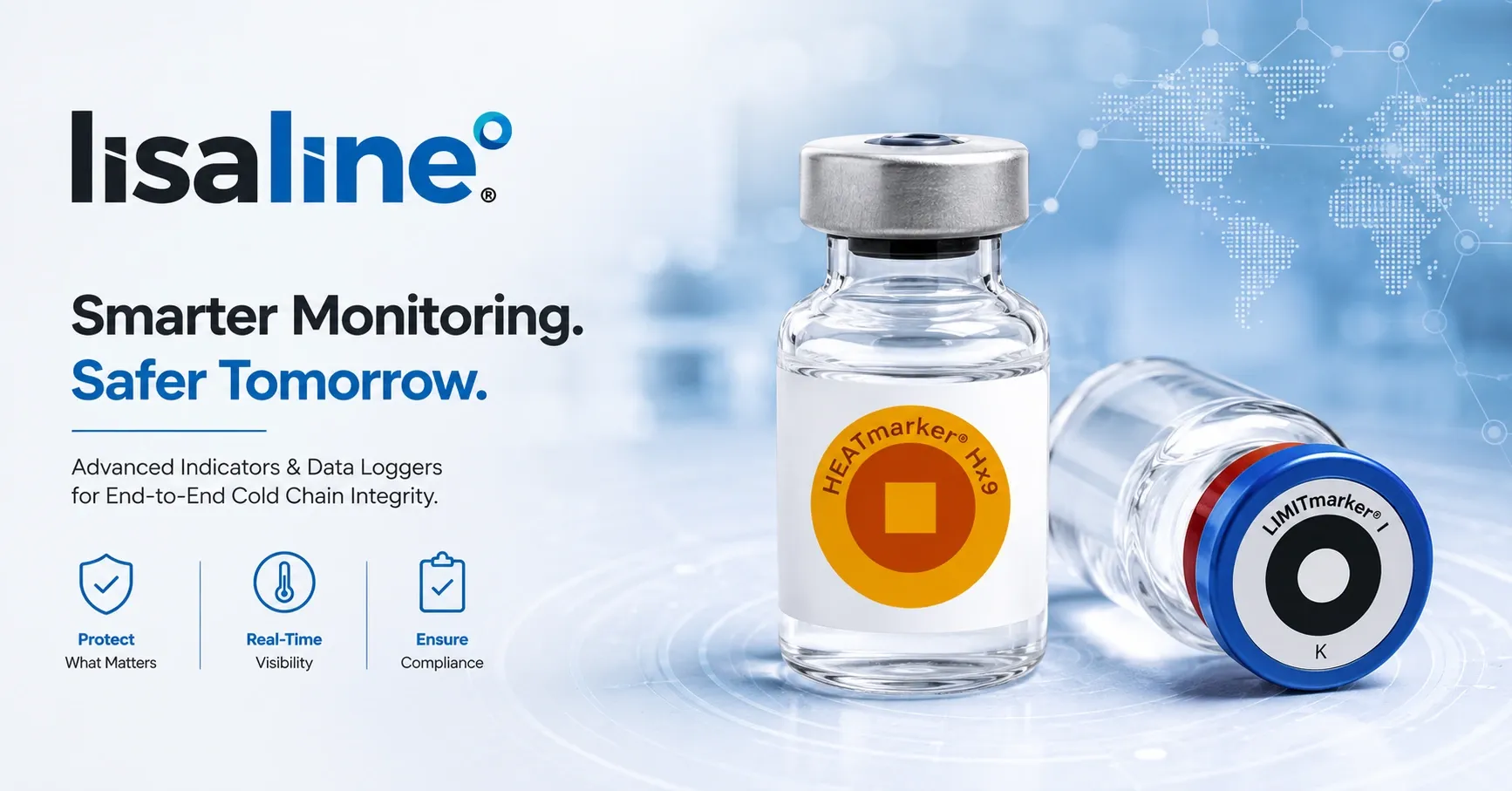
When it comes to pharma shipments, there is no one type of temperature indicator label that is suitable. The choice of whether to choose a time temp indicator or a heat indicator depends on how much heat the pharmaceutical product can sustain before getting damaged.
Every product has its own limit to which it can handle heat and temperature exposure. If that limit is exceeded, then the product loses its effectiveness and can become harmful for patient consumption. Therefore, depending on the product, your choice differs.
In this blog, we will learn what a time temp indicator and heat indicator is which will be important in learning the difference between the two. Further, we understand in which cases will a time temp indicator be useful and where a heat indicator does the job.
We also explore Lisaline Asia’s temperature indicator range- temp indicator HEATmarker and heat indicator LIMITmarker which will further help you understand which label to choose and why to source them from us.
What is a time temp indicator and a heat indicator?
What is a Time Temp Indicator?
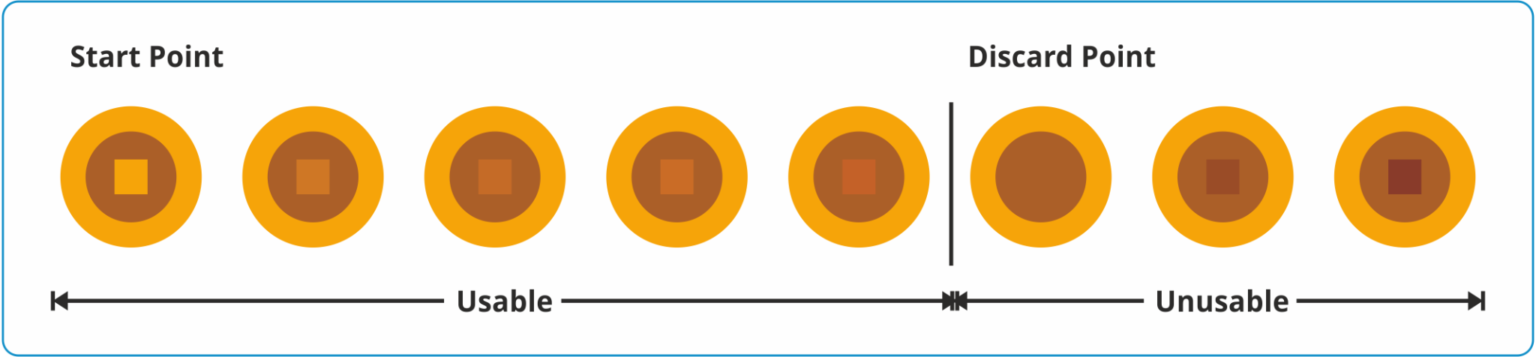
A time temp indicator is a self-adhesive label that calculates the cumulative heat exposure a product receives throughout its shelf life. It measures how much heat the product has been exposed to, and for how long. This result is reflected in the shade displayed on the square inside the label.
Each time the product is exposed to unsafe heat for a certain period, the shade turns darker. The longer the product is exposed to heat, the faster the colour moves to the next darker shade. Once the indication area matches or exceeds its reference ring, the label has reached its endpoint. It can no longer change colour, and the product is considered completely damaged.
A time temp indicator is suitable for products that can sustain heat for a certain period without losing potency.
What is a Heat Indicator?
A heat indicator is a more heat-sensitive label. Like a time temp indicator, it is self-adhesive. However, it does not measure cumulative heat exposure. Instead, it shows sudden heat spikes. When temperature exceeds the safe limit suddenly, for example due to a refrigerator being left open, it is reflected immediately in the heat indicator.
Unlike a time temp indicator, a heat indicator does not track heat gradually. It responds to a single threshold breach. The moment the product is exposed to a temperature at or above the set threshold, the indicator changes colour, typically from white to pink or red, as in the case of LIMITmarker, within its specified response time. This can happen in seconds, or within a delayed window of up to two hours, depending on the indicator type.
The heat indicator label is suitable for pharmaceuticals that are extremely heat sensitive and lose potency even with brief exposure to heat. Products that cannot sustain heat and get damaged immediately require a heat indicator.
Learn more about irreversible heat indicator through our blog.
What is the Difference Between the Two?
When it comes to time temp indicator and heat indicator labels, people often get confused. This is because both labels track heat. However, they differ greatly.
The time temp indicator calculates the total heat exposure during a certain period, or during the product’s shelf life. A heat indicator shows sudden heat spikes when the heat threshold is breached, even once.
The time temp indicator, through its indicator shade, shows for how much time the product was exposed to heat, and to what extent. The heat indicator, through its indicator shade, simply shows whether the product was exposed to heat outside its set threshold or not.
The time temp indicator changes colour multiple times. Each time it is exposed to heat, it changes to a darker shade, until the colour of the square matches or exceeds its outer reference ring. A heat indicator, on the other hand, changes colour only once, from white to pink or red.
Although both labels are self-adhesive, and the colour change is permanent in both, each provides a clear signal of temperature exposure. Understanding the difference between them is useful for determining which label to choose for your pharmaceutical product.
A look at Lisaline’s time temp indicator and heat indicator labels
Lisaline Asia is the official supplier of temperature indicators from Temptime, a Zebra company. From time temp indicator labels like HEATmarker to heat indicator LIMITmarker and blood temperature indicators like Safe-T-Vue and freeze indicators like FREEZEmarker we have them all.
Zebra Temperature Indicators · Supplied by Lisaline Asia
HEATmarker vs LIMITmarker: know the essentials at a glance
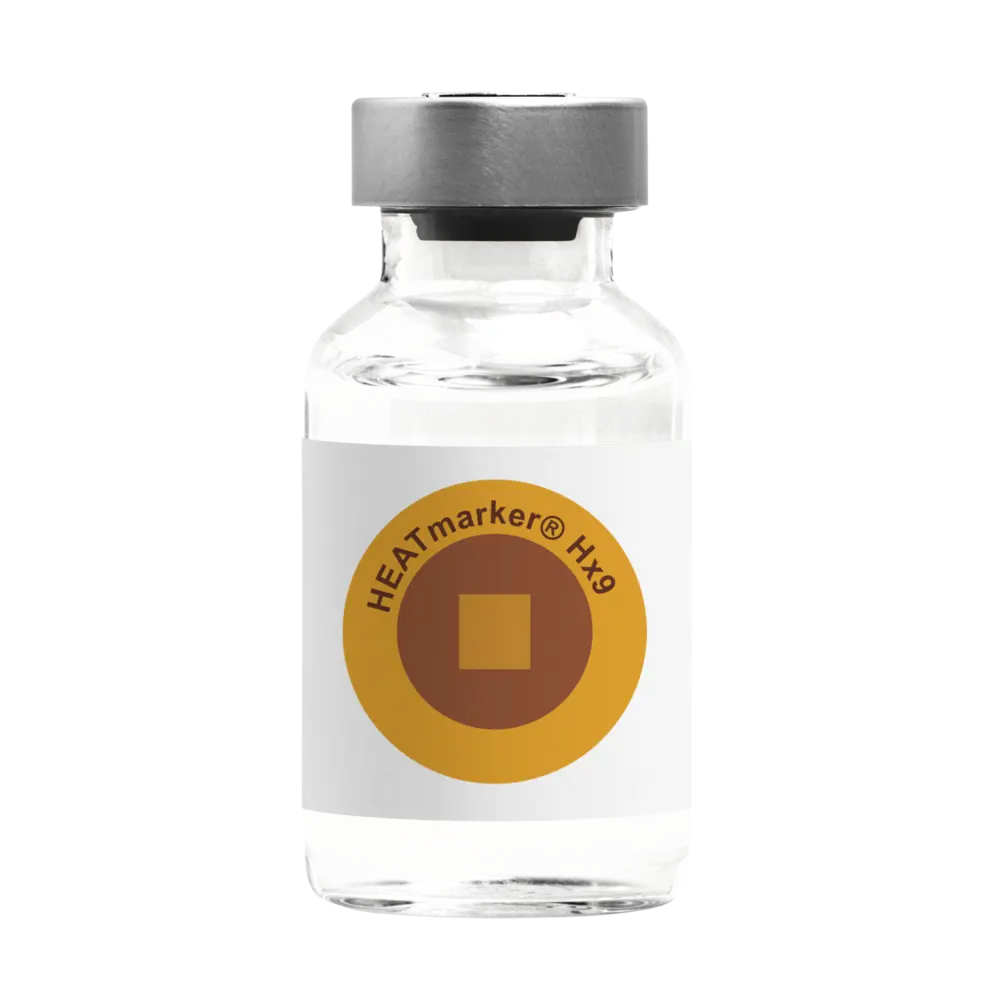
HEATmarker®
Tracks cumulative heat exposure over the product's shelf life.
- Available in strips, rolls, cards, and label formats, along with TransTracker
- Comes in almost 20 variants, suited to different products and shelf lives
- Roll formats apply on automated labelling machines, or by hand for small batches
How the shade builds
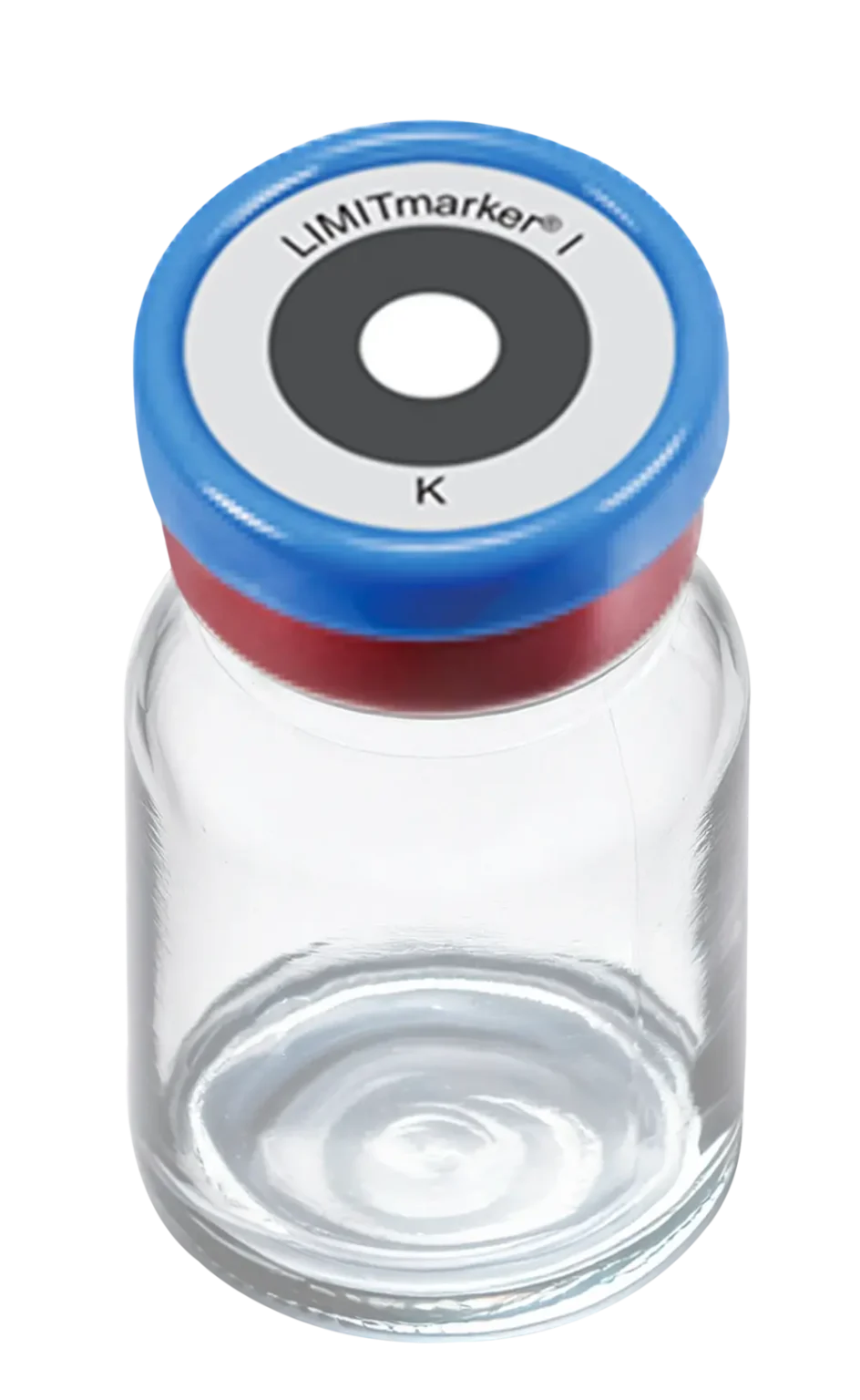
LIMITmarker®
Flags a single sudden heat spike the moment it happens.
- Two types: LIMITmarker F for delayed indication (up to 2 hours), LIMITmarker I for immediate indication (within seconds)
- Changes colour from white to pink or red the moment the threshold is breached
- Self-adhesive, applies directly to vials, packaging, or boxes
How the trigger shows
How to choose between a time temp indicator and a heat indicator for your pharma product?
By now you know what both labels do. The real question is which one fits your product. The answer always comes back to one thing: how your product reacts to heat. Here is how to work through it, point by point.
1. Start with your product's heat tolerance
This is the deciding factor. Ask a simple question: can your product handle heat for a while before it loses potency, or does even a short spike damage it?
If your product can sustain heat for a certain period without becoming ineffective, a time temp indicator like HEATmarker is the right fit. If your product is extremely heat sensitive and loses potency the moment it crosses its limit, a heat indicator like LIMITmarker does the job.
2. Look at whether your risk is gradual or sudden
Not all heat damage happens the same way.
Some products are damaged by cumulative exposure, where small amounts of heat add up over the shelf life until the product is no longer safe. For this, you need a time temp indicator, because it tracks total heat exposure over time and shows both how long and to what extent the product was exposed.
Other products are damaged by a single sudden spike, like a refrigerator door left open or a shipment sitting on a hot loading dock. For this, you need a heat indicator, because it flags that one threshold breach the moment it happens.
3. Decide how much information you actually need
Think about what you want the label to tell you.
If you need to know the duration and extent of heat exposure, choose a time temp indicator. Its shade changes multiple times, moving to a darker colour as exposure builds, which tells you how much life the product has left before it reaches its endpoint.
If you only need a clear yes or no, that is, whether the product crossed its safe limit or not, a heat indicator is enough. It changes colour just once, from white to pink or red, giving you a simple pass or fail signal.
4. Match the label to your product's temperature threshold
Every product has a specific temperature at which it starts to degrade. Your label has to match that limit.
HEATmarker comes in almost 20 variants, each suited to different products and shelf lives, so you can pick one that reflects your product’s actual stability data. LIMITmarker is available with different threshold points and two response types, so you can set it to trigger at the exact temperature your product cannot cross.
Choosing a label that does not match your product’s threshold defeats the purpose, so this step matters.
5. Consider how fast you need the warning
Response time is a real difference between the two, especially with heat indicators.
If a delay is acceptable, LIMITmarker F gives delayed indication of up to two hours, which suits products that can briefly touch a higher temperature without immediate harm. If any breach is critical and you need to know instantly, LIMITmarker I responds within seconds. A time temp indicator, by contrast, is not built for instant spike detection at all, it is built to record exposure over time.
6. Factor in your shipment and distribution journey
The length and nature of the journey plays a part too.
For long distribution chains with multiple handoffs, where heat can build up slowly across the route, a time temp indicator gives you the full picture of accumulated exposure. For shorter, high-risk legs where a single excursion is the main threat, a heat indicator gives you a fast, clear breach signal.
7. When in doubt, work backwards from patient safety
If you are still unsure, go back to the basics. A product that loses effectiveness can become harmful for the patient, so it is always safer to match the label to the product’s true sensitivity rather than to convenience.
If your product forgives short heat exposure, choose a time temp indicator. If your product forgives nothing, choose a heat indicator. Get this right, and the label will do exactly what it is meant to do, protect the product and the patient.
Still not sure which label suits your product? Talk to our team and we will help you choose the right indicator for your pharma shipment.
Conclusion
Choosing between a time temp indicator and a heat indicator comes down to one question: how much heat can your product actually survive before it loses potency? A product that degrades slowly can rely on a time temp indicator like HEATmarker to track cumulative exposure over its shelf life. A product that fails the moment it crosses a threshold needs a heat indicator like LIMITmarker to catch that single breach, immediate or delayed.
Getting this choice wrong does not just mean a labelling error. It means shipments that look fine on paper but carry compromised products, or shipments that get rejected unnecessarily because the wrong indicator flagged a false concern. Either way, the cost lands on you.
Lisaline Asia has been solving this exact problem for pharma and vaccine cold chains since 1998, as the official supplier of Zebra’s temperature indicator range in India. Whether you need HEATmarker, LIMITmarker, or help deciding between the two for a specific product, our team can guide you to the right label before your next shipment leaves the dock.