

Time Temperature Indicator: Know How Much and How Long Your Product Was Exposed to Heat in the Supply Chain

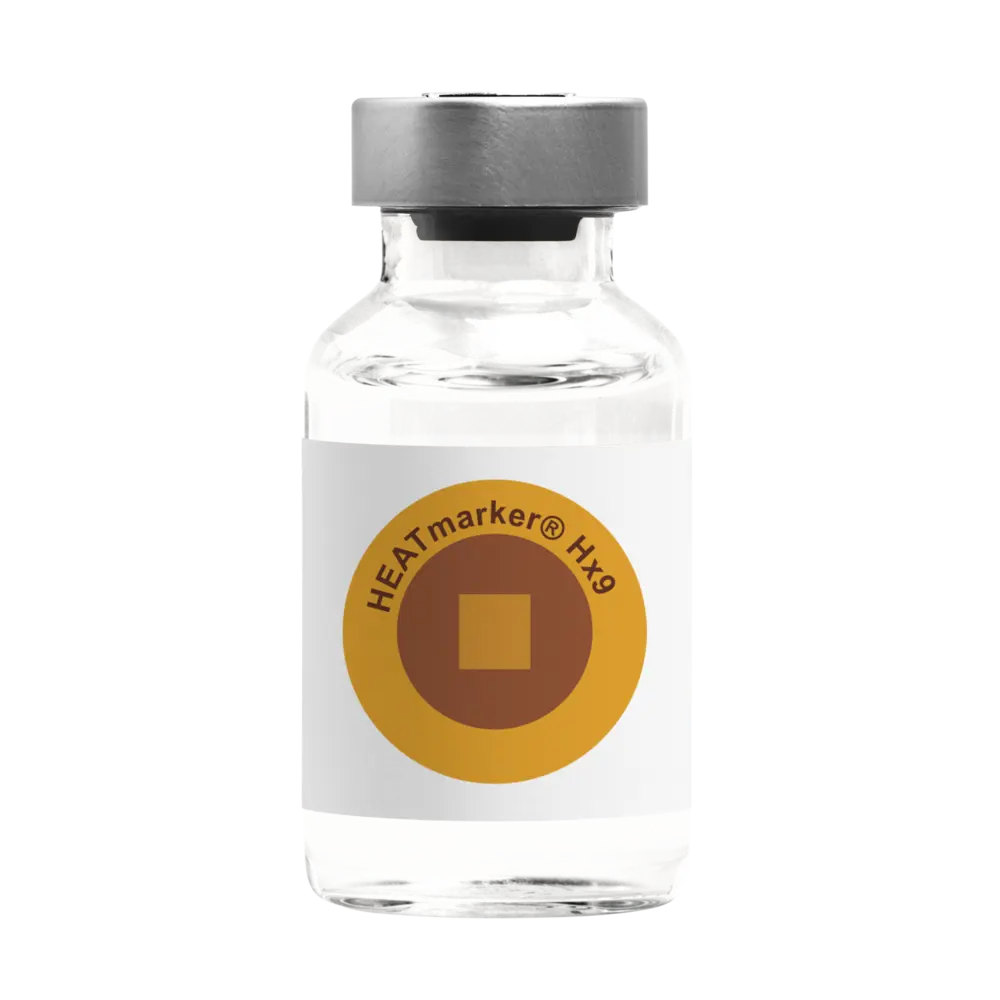
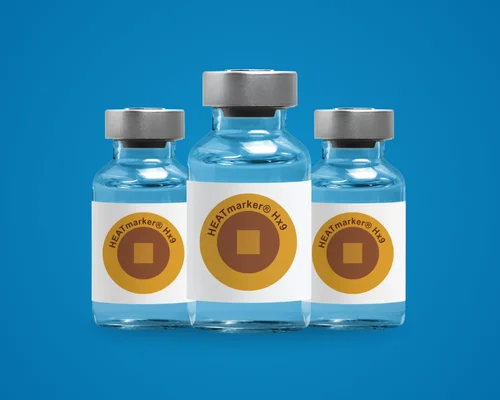
HEATmarker, a time temperature indicator from Zebra Technologies, monitors cumulative heat exposure removing doubts and guesswork. Every time your product crosses a safe temperature limit, the label changes colour to a darker shade. One glance gives you clear visual proof, so you know if your product is safe or not at any stage of the journey. The self-adhesive label features an irreversible colour change to the darkest shade, so the evidence can never be reset or missed. 

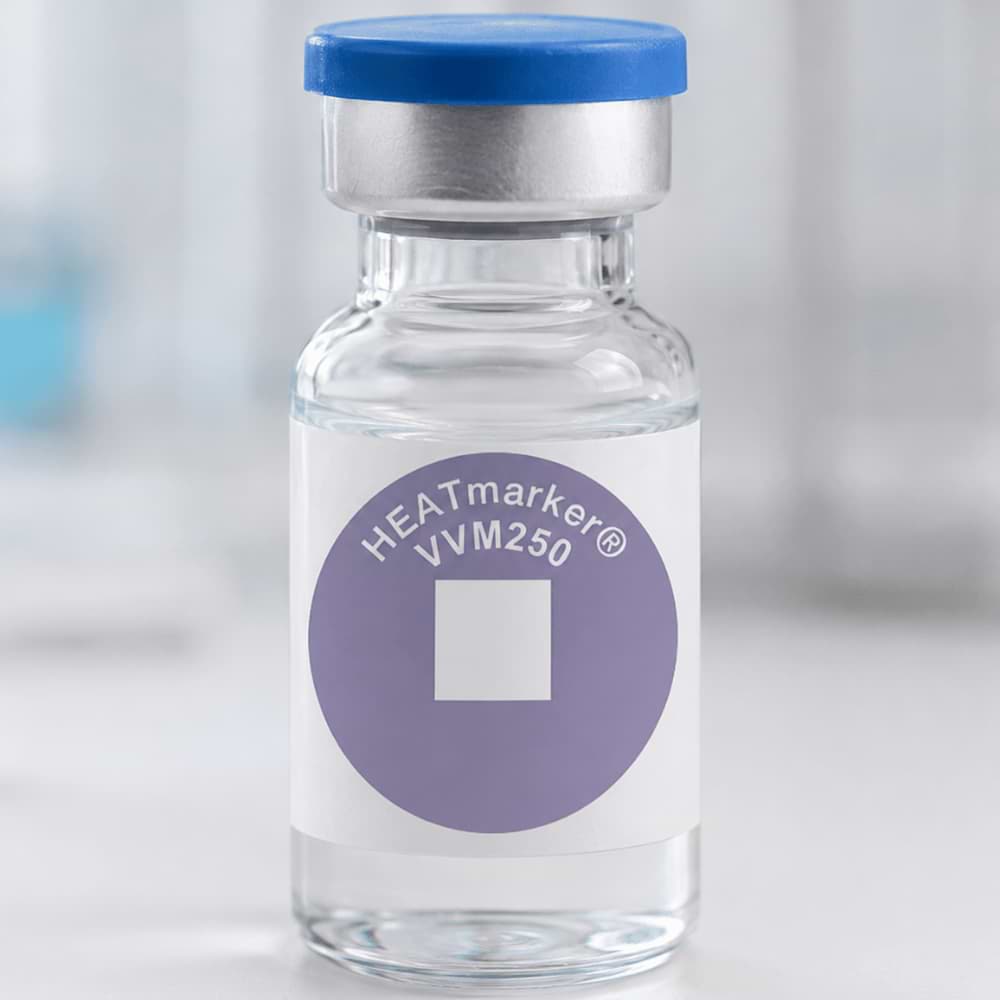
Heatmarker time temperature indicators, Vaccine Vial Monitor VVM
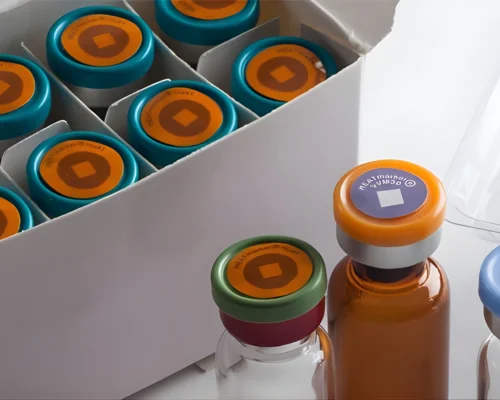
Temperature Indicators HEATmarker, Time Temperature Indicator

What is a Time Temperature Indicator?

A time temperature indicator is a temperature indicator label which measures cumulative heat exposure of a product for a period of time usually throughout its shelf life. The label measures how long the product was exposed to heat and to what  extent. Therefore it is called a time temperature indicator that measures the combined effects of time and temperature. 

This label changes colour to a darker shade each time it is exposed to unsafe heat. The more heat it is exposed to the faster the indicator changes colour to a darker shade. This continues until the colour of the square indicator matches with the colour of the outer or reference ring. This indicates that the product is damaged completely and its potency has been affected by heat. 

Lisaline Asia supplies the HEATmarker, a time temperature indicator manufactured by Temptime, a company under Zebra Technologies. We provide genuine labels, pre-calibrated and come in more than 20 variations in different formats for different products and applications. We help you select the right variation for your application with the right calibration.

The HEATmarker, supplied by Lisaline Asia, is a time temperature indicator built for exactly this purpose. It tracks cumulative heat exposure and gradually darkens from its original light shade every time the product crosses its unsafe temperature threshold. As exposure builds, the shade darkens, until the indication area matches or exceeds the darkness of its reference ring, marking the endpoint. This makes it clear that the product has taken more heat than it can handle. This gives you verifiable, at-a-glance evidence of product safety at any point in the supply chain, no lab testing or guesswork required. 

Want to know the mechanism behind the colour change, read our blog now.

A time temperature indicator is a temperature indicator label which measures cumulative heat exposure of a product for a period of time usually throughout its shelf life. The label measures how long the product was exposed to heat and to what  extent. Therefore it is called a time temperature indicator that measures the combined effects of time and temperature. 

This label changes colour to a darker shade each time it is exposed to unsafe heat. The more heat it is exposed to the faster the indicator changes colour to a darker shade. This continues until the colour of the square indicator matches with the colour of the outer or reference ring. This indicates that the product is damaged completely and its potency has been affected by heat. 

Lisaline Asia supplies the HEATmarker, a time temperature indicator manufactured by Temptime, a company under Zebra Technologies. We provide genuine labels, pre-calibrated and come in more than 20 variations in different formats for different products and applications. We help you select the right variation for your application with the right calibration.

The HEATmarker, supplied by Lisaline Asia, is a time temperature indicator built for exactly this purpose. It tracks cumulative heat exposure and gradually darkens from its original light shade every time the product crosses its unsafe temperature threshold. As exposure builds, the shade darkens, until the indication area matches or exceeds the darkness of its reference ring, marking the endpoint. This makes it clear that the product has taken more heat than it can handle. This gives you verifiable, at-a-glance evidence of product safety at any point in the supply chain, no lab testing or guesswork required. 

Want to know the mechanism behind the colour change, read our blog now.

Why does a time temperature indicator matter?

01

How does a time temperature indicator prevent unnecessary disposals?

Some products can sustain heat for longer periods than others. These do not need disposal the moment a single safety threshold is breached. A heat indicator like LIMITmarker is not built for this. It changes color as soon as the product crosses one fixed temperature point, with no regard for how long the exposure lasted or whether the product could actually tolerate it. This can lead to healthy stock being discarded unnecessarily. A time temperature indicator solves this. It tracks the combined effect of time and temperature over longer periods, showing how long the heat exposure lasted and to what extent. This gives a true picture of whether the product is still safe, instead of forcing disposal on a single breach.

02

What is the real risk of not using a TTI?

Heat damage on these products doesn't happen all at once. It builds up quietly across every stop in the cold chain. A vial can go through five short warm spells during transit, storage, and handling. None of them cross a single dangerous threshold. But together, they can degrade the product just as much as one bad excursion. Without a TTI, this slow damage stays invisible until the product fails to work.

03

How this changes your decisions?

A threshold indicator gives a yes or no answer. A time temperature indicator gives a scale. This matters at the point of use. A health worker can look at a TTI and see that a vaccine has had some heat exposure but is still within its safe limit. They can use that vial first, before a fresher one, instead of guessing or discarding stock that's actually still safe. This cuts down unnecessary wastage.

04

Why does a Time Temperature Indicator matter for specific product types?

Not every temperature sensitive product behaves the same way. Vaccines with adjuvants, biologics, and certain diagnostic reagents degrade gradually with repeated mild heat exposure. Contrast that with something like a blood product or a single-dose kit, where one hard spike can be the real danger. TTIs are built for the first kind of product. That's why WHO and UNICEF require VVM style time temperature indicators on vaccine vials specifically, since gradual degradation is the exact failure mode they need visibility into.

05

The compliance angle

Cumulative time-temperature exposure is often measured through Mean Kinetic Temperature or MKT, a single number that reflects the effect of many temperature swings over time. A TTI is essentially a low-cost, visual stand-in for tracking that same cumulative effect, without needing a data logger and calculation at every single unit level.

06

So why a time temperature indicator?

For products where slow, cumulative damage is the real risk, a TTI is the only indicator that actually answers the question that matters: is this still safe to use. A single breach doesn't tell the whole story. A time temperature indicator does, and that's exactly why it's the standard for products where heat damage builds up over time, not all at once.

How does a time temperature indicator work?

STEP 01

It is applied to the product either directly on the product or on the product packaging carton or boxes, either manually or through automated machines.

STEP 02

From the time it is applied, the label continues tracking temperature throughout its shelf life. Each time the product is exposed to temperature beyond its safety thresholds, the shade turns darker.

STEP 03

The colour change is permanent and does not reverse or reset to the original shade. The next time the product is exposed to heat, the shade turns darker from the previous shade.

STEP 04

This continues until the square indicator on the label matches or exceeds the outer reference ring. This shows the product has been completely damaged and is not suitable for patient use.

Want to know how these labels are actually applied? Read our blog on the correct application.

Types of HEATmarker Time Temperature Indicator Offered by Lisaline Asia

The HEATmarker label  comes in more than 20 different variations depending on the product it is being applied to. These labels are pre-calibrated so each type is made to suit the requirements of a specific product. Below are the major types and where each one fits. 

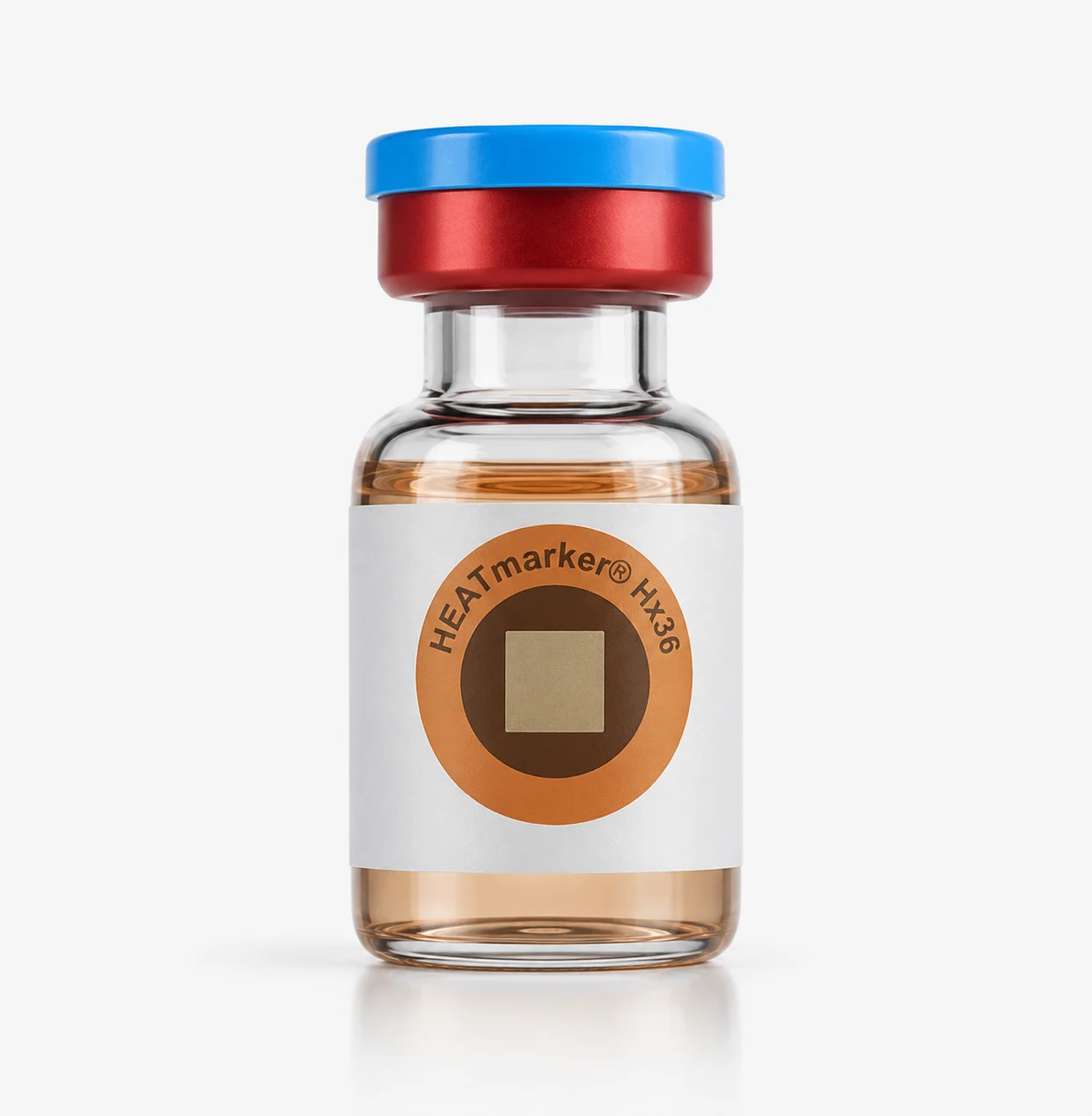
HEATmarker

The HEATmarker is the TTI label suitable for all temperature sensitive products. It is a time temperature indicator that changes colour each time the product is exposed to heat. The more heat the product is exposed to the faster the label changes colour to a darker shade. 

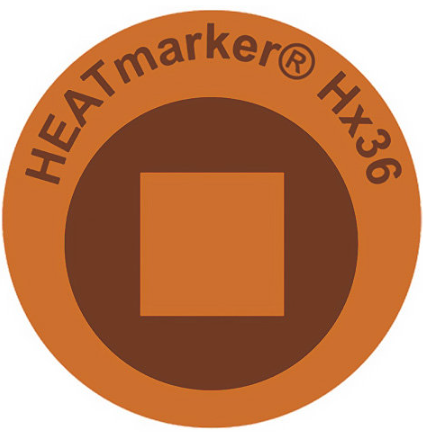
The label is especially designed to monitor the combined effects of time and temperature that cause gradual and cumulative degradation of many temperature-sensitive medical products. Once the shade of  the indicator square matches or exceeds the outer reference ring, it signals that the label has reached its endpoint and the product has been damaged due to heat.  It can no longer be used for patient consumption. 

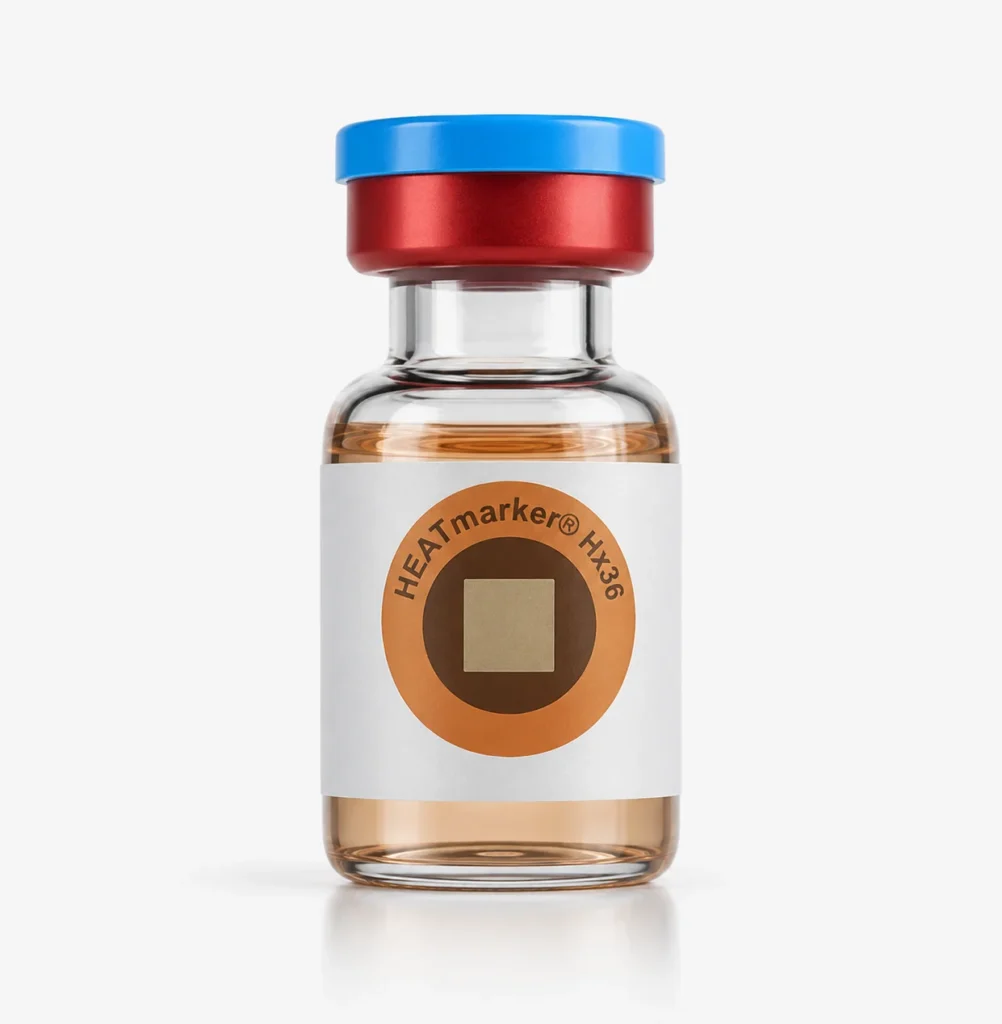
The HEATmarker comes in series like Hu and Hx with different response times/temperature profiles. E.g. Hu Series has a response time of 14 to 41 days at 25°C, and Hx variants range from 9 days to 36 days to end point depending on the profile chosen. This time temperature indicator is used for general medical products, diagnostics, drugs, anything that isn’t specifically a vaccine vial.

Time temperature Indicator Applied to Medicine Bottle
HEATmarker VVM Time Temperature Indicator

HEATmarker VVM

This time temperature indicator variant is especially suitable for vaccines. In 1998, Lisaline Asia introduced this miniaturised vaccine vial monitor technology in India. These labels were used for the monitoring of vaccines for various immunization programmes as recommended by the WHO and UNICEF.

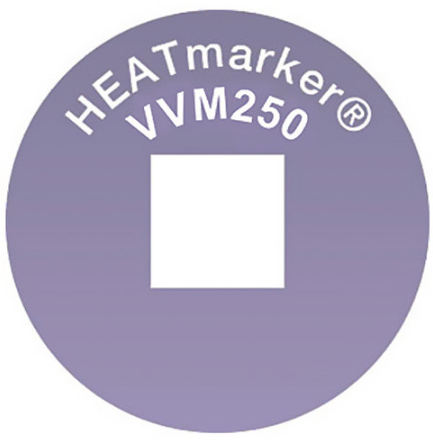
These are to be applied to vaccines by the manufacturer itself for full time temperature monitoring. The inner square is made of heat-sensitive material that is initially light in color and becomes darker when exposed to heat, faster at higher temperatures, slower at lower ones. At the end point, the inner square matches or is darker than the outer circle. This lets health workers confidently identify and dispose of vaccines that have experienced excessive thermal stress.

Zebra sells it in graded types by stability (e.g. VVM2 for least-stable vaccines, VVM30 for more heat-stable ones), each with its own defined time-to-endpoint at reference temperatures. Contact our team at Lisaline Asia to know which variant exactly suits your vaccine type. 

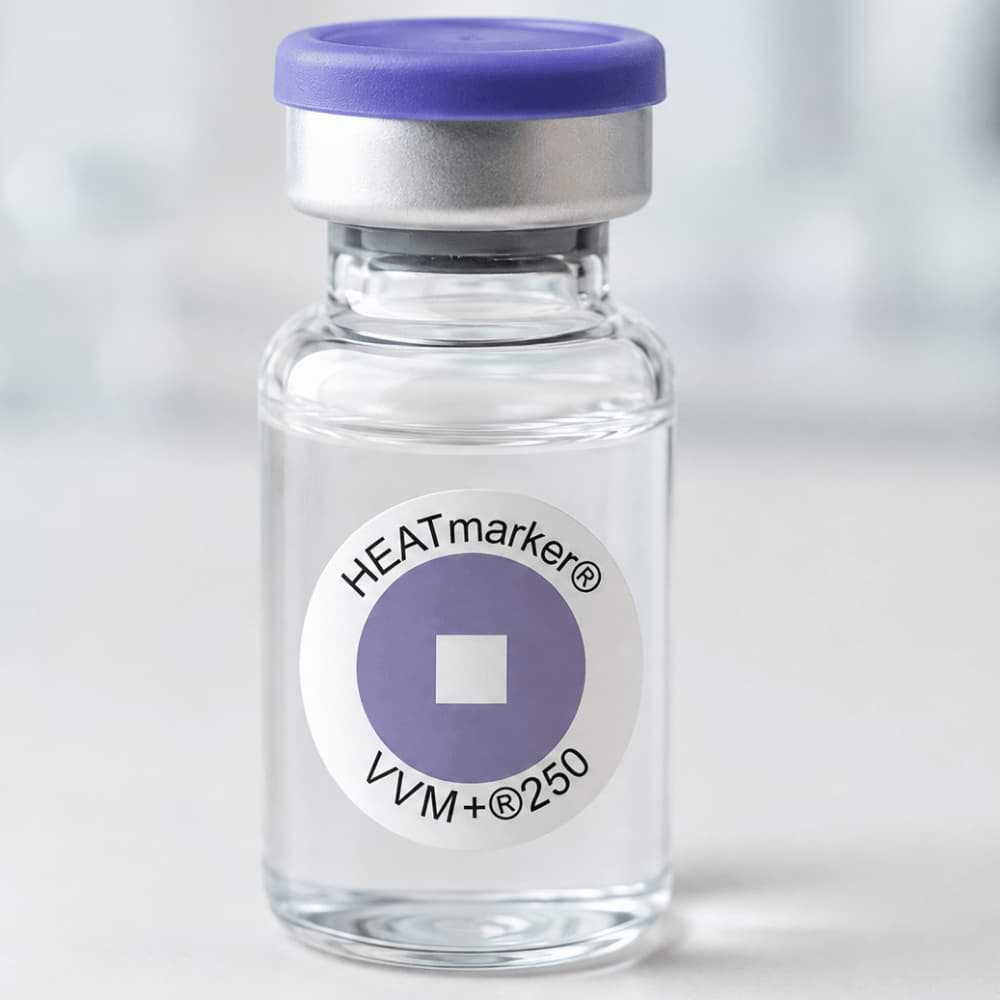
HEATmarker VVM+

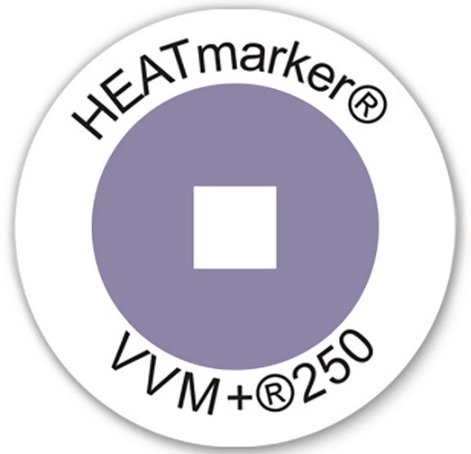
HEATmarker VVM+ features technology that indicates a vaccine exceeded the labeled high temperature threshold limit during transportation. This time temperature indicator variant is especially used during the last mile, when the vaccine is out of the cold chain. It uses two proprietary sensing technologies, layered on the classic HEATmarker VVM, and reacts, looks, and is interpreted the same way as the traditional version.  However, at 40°C it reaches its endpoint rapidly to show exposure to a critical peak temperature. 

This directly supports the Controlled Temperature Chain (CTC) Initiative, addressing the risk that vaccines stored outside the cold chain may face a peak temperature excursion that could cause rapid degradation. VVM+30, for instance, is optimal for high-stability vaccines, reaching its cumulative endpoint in about 30 days at 37°C or within minutes above 40°C, with a 2-year shelf life. Contact our experts at Lisaline Asia to know more. 

HEATmarker VVM+ Time Temperature Indicator
How to Choose the Right HEATmarker Variant — Lisaline Asia
Selection guide

How to Choose the Right HEATmarker TTI Variant?

The HEATmarker comes in over 20 variants, from the HEATmarker VVM built for vaccines to standard HEATmarker labels for other temperature-sensitive products. So many exist because no single label can protect everything. A time temperature indicator calibrated for a fragile vaccine would hit its endpoint far too early on a stable one. A label built for a stable product would clear a fragile one that has already lost potency. Choosing well comes down to matching the label to what it is guarding.

Here is how to narrow it down.

1
Step 01

Start with the product

Name what you are protecting and how it fails under heat. A live vaccine, a biologic, an injectable, a diagnostic reagent: each has its own safe temperature range and its own way of degrading. Vaccines under WHO prequalification use the HEATmarker VVM line. Other pharma and biologics use the standard HEATmarker range. This first split decides which family of variants you are even choosing from.

The VVM line itself splits further. Alongside the standard HEATmarker VVM, there is the HEATmarker VVM+, built to also flag short bursts of higher heat. So even once you are in the vaccine family, there is still a choice to make.

2
Step 02

Match the label's speed to the product's heat sensitivity

This is the real decision. Every HEATmarker is calibrated to darken at a set rate, and you want it to reach its endpoint right around the point the product actually becomes unsafe. Not before, or you throw away good stock. Not long after, or you use product that is already gone.

Vaccines make this explicit. Manufacturers pick the longest VVM category their product's stability data supports, so the label signals damage at the moment potency drops, not on a guess. The same logic runs across the rest of the range: reaction speed is set from real degradation data, not eyeballed.

For reference, the four WHO categories are VVM2, VVM7, VVM14 and VVM30. The number is how many days the label takes to reach its endpoint at 37°C, so a lower number means a more heat-sensitive product. VVM2 covers the most fragile vaccines like oral polio, reaching its endpoint in about 2 days at 37°C. VVM30 covers heat-stable ones like hepatitis B, taking about 30 days.

Days to endpoint at 37°C
VVM2
~2 days
VVM7
~7 days
VVM14
~14 days
VVM30
~30 days
Lower number, more heat-sensitive product. Higher number, more heat-stable product.
3
Step 03

Check the range and the endpoint it reads against

Confirm the variant's calibration matches the range your product is stored and shipped in, and that the reading is unambiguous at delivery. The inner square reads as safe while it stays lighter than the reference ring. It reads as discard the moment it matches the ring or goes darker.

Lighter than ring → Safe Matches or darker → Discard
4
Step 04

Confirm format, placement and compliance

Confirm if the time temperature indicator you choose actually fits your product.

  • Label size and adhesive for your vial, ampoule or pack
  • Proper placement so it stays visible right up to the point of use
  • Any regulatory boxes or compliance requirements you need ticked, with WHO PQS being the main one for vaccines

Still not sure which one fits?

Tell us the product, its safe temperature range and its stability data. We will point you to the exact HEATmarker variant for it.

Contact Us

No Guessworks, Track Cumulative Heat Exposure with a Time Temperature Indicator

From vaccines to biologics and from pharmaceuticals to prefilled syringes, a time temperature indicator tracks the total heat a product was exposed to during its shelf life. The more heat the product is exposed to, the faster the shade changes colour.
Get a clear visual proof at the point of delivery.

Applications of a Time Temperature Indicator by Product Type

Heatmarker - time temperature indicators for monitoring heat exposure to temperature sensitive products over time.

Vaccine Vials

Most vaccines should stay in a temperature range of 2°C to 8°C. A few, like oral polio vaccine, are kept frozen at the upper levels of the chain before reaching health facilities.

When it comes to vaccine vials, the time temperature indicator is applied directly on the vial or the vial cap by the manufacturer. The label is miniaturised, small enough to sit on a single unit, so every vial is monitored on its own. Cap placement suits vials that get discarded at the end of a session, since the label stays visible until the vial is opened. Vial placement suits multi-dose vials that carry across sessions.

VVMs come in four categories, set by how much heat the vaccine can take before the label reaches its endpoint, counted as days at 37°C:

For heat-stable vaccines moving through a Controlled Temperature Chain, HEATmarker VVM+ adds a peak indicator on top of the cumulative one. It reacts like a standard VVM up to 37°C, then reaches its endpoint rapidly at 40°C to flag a single critical temperature spike.

Time temperature Indicator Applied to Medicine Bottle

Pharmaceuticals

The temperature range for pharmaceuticals depends on the drug. The common cold-chain band is 2°C to 8°C, the same as vaccines. Many drugs are stored at room temperature also.

The temperature indicator is applied on the individual pack or unit, so heat exposure is tracked per item rather than per shipment.

The label monitors cumulative heat over time for drugs that must stay cold, like insulin, some antibiotics, and certain hormones.

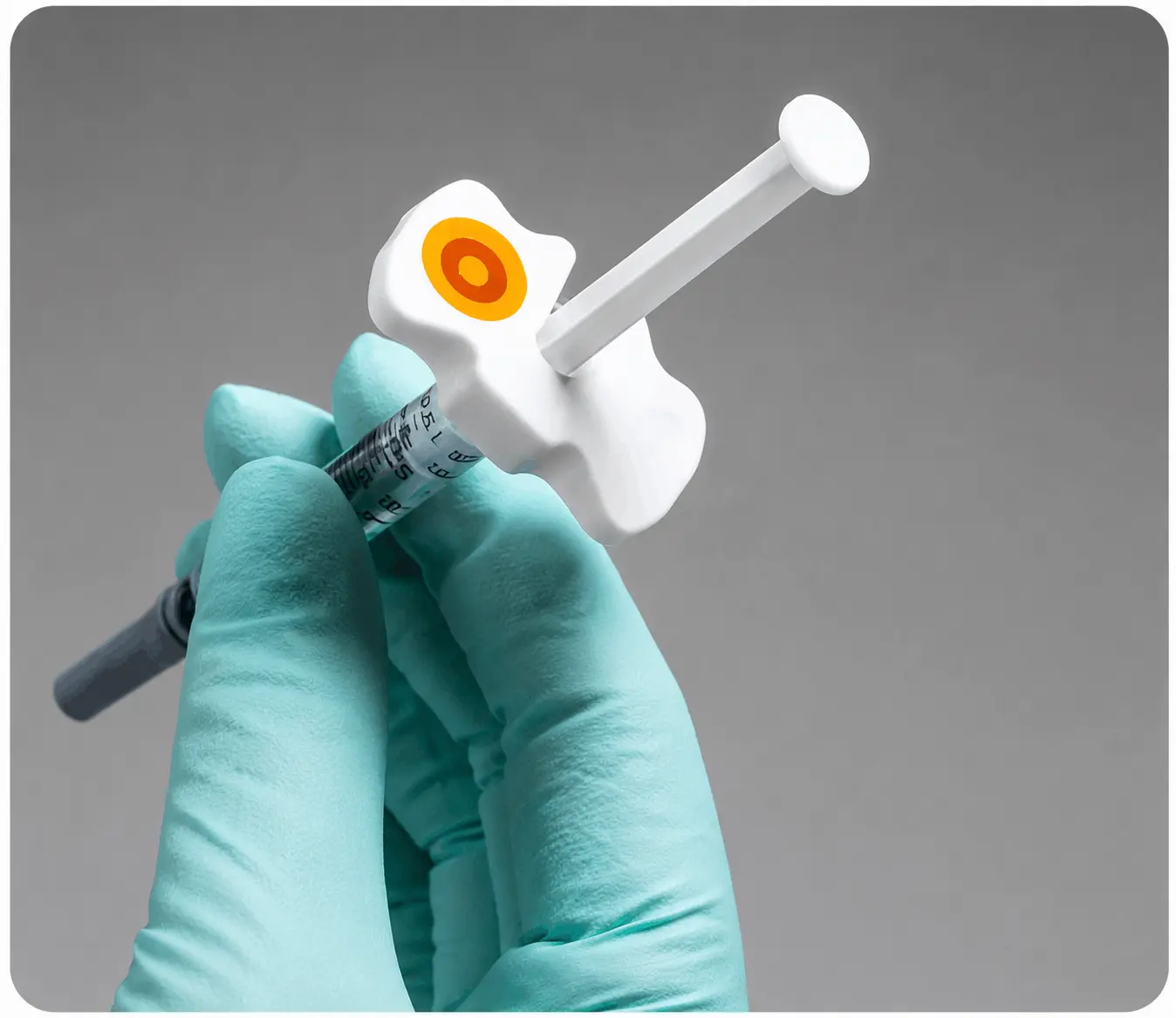
HEATmarker label on a prefilled syringe

Prefilled Syringes

Most prefilled syringes should stay in the temperature range of 2°C to 8°C. Some are also cleared for a limited period at room temperature. The product insert is the reference.

The temperature indicator is applied on the individual syringe or its packaging, since each syringe is a single dose with no batch to fall back on.

The label shows whether that specific syringe held its cold chain integrity or not. This is confirmed right at the point of use. For products a patient takes home and injects themselves, the same label tells them whether the dose is still good.

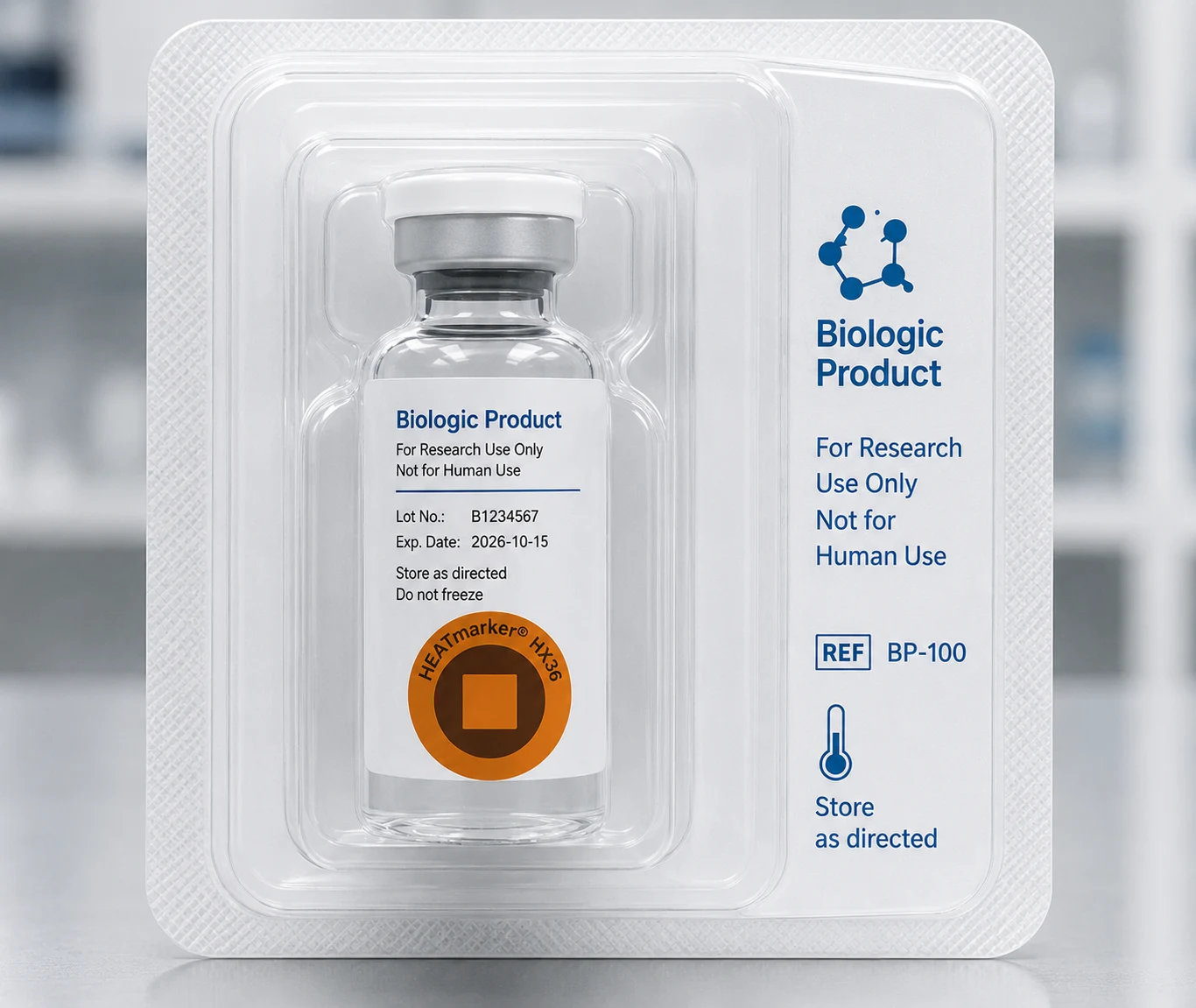
HEATmarker TTI for biologics

Biologics

Most biologics should be stored between 2°C to 8°C. Some specialised components need frozen storage at -20°C or lower, and certain advanced therapies go to -70°C or below.

The time temperature indicator is applied on the vial or its packaging, matched by the manufacturer to the product’s own heat stability.

HEATmarker Time Temperature Indicator for pharmaceuticals

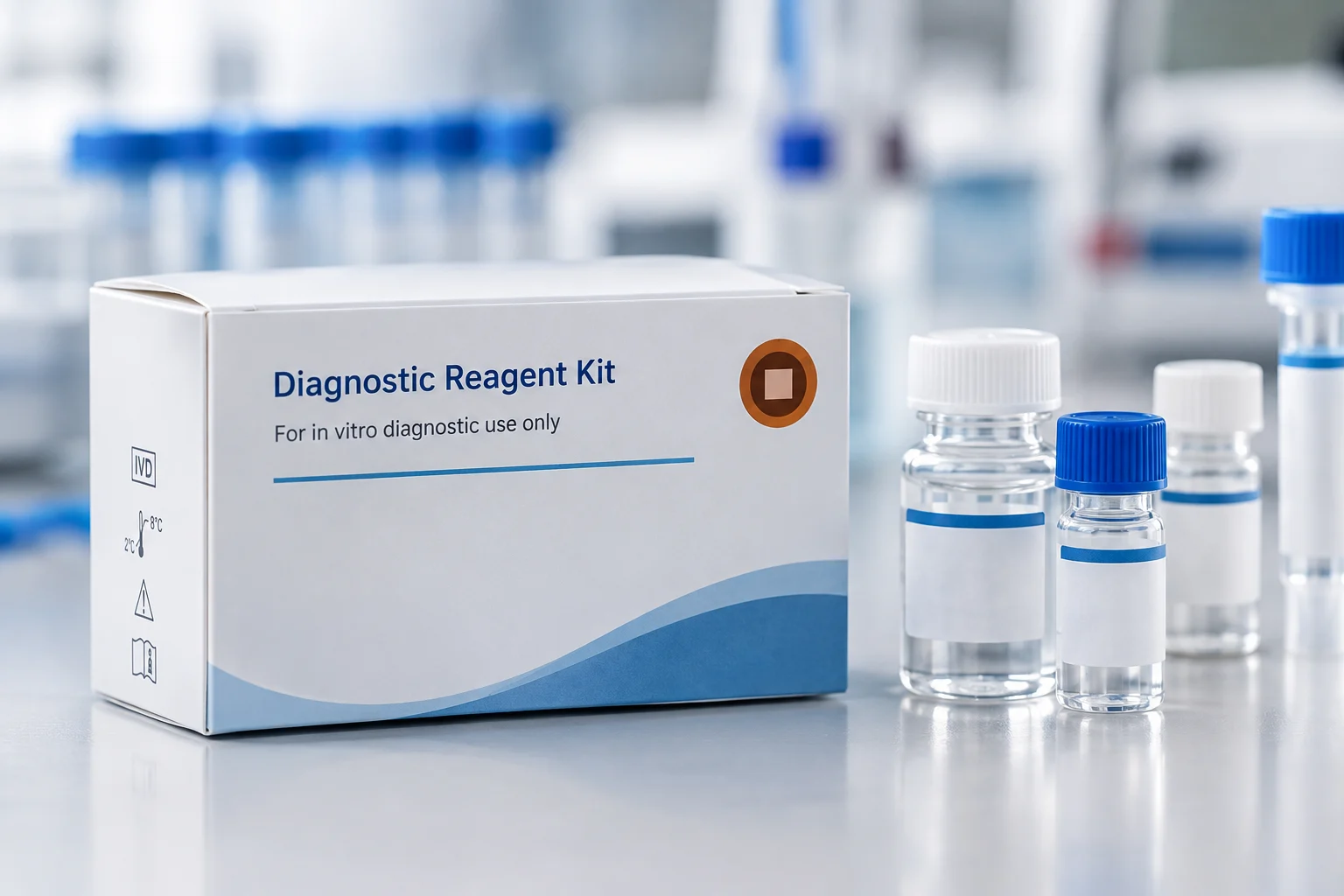
Diagnostic Reagents or IVD Kits

Most diagnostic reagents and IVD kits remain at temperatures between 2°C to 8°C, with some kits held at room temperature.

The label is applied on the kit or reagent pack.

It shows whether reagents held their conditions before a sample is run. Heat-stressed reagents still look fine but return unreliable results, so the label lets the lab confirm the kit is sound and protects both the result and the retest cost behind it.

● Compliance & Standards

Regulatory compliance requirements our time-temperature indicator meets

Every HEATmarker time temperature indicator supplied by Lisaline Asia is built to satisfy the regulatory frameworks that govern pharmaceutical and vaccine cold chains, from FDA and WHO to ISO quality systems.

HEATmarker VVM Time Temperature Indicator

HEATmarker VVM+

VVM+ is the Controlled Temperature Chain version, and it is separately prequalified as a combined device.

For any specific compliance requirements, contact our experts now.

TTI vs Data Logger — Lisaline Asia
Know the difference

Time Temperature Indicator or data logger? Two ways to watch temperature.

Both keep an eye on temperature across the cold chain. They do it very differently, and the right one depends on what you need to prove.

Passive · Chemical No power

Time Temperature Indicator

Cumulative heat Shade darkens toward the reference ring

A time temperature indicator is a self-adhesive label you stick onto temperature-sensitive products. Once applied, it tracks temperature across the product's shelf life, all the way through the supply chain.

Each label is pre-calibrated to one product's safe temperature range, so every product uses the variant built for it. No single indicator can cover every product. If that range is crossed, a chemical reaction darkens the indicator square. The more heat the product takes, and the longer it lasts, the faster the square darkens.

No battery. No network. No software. The label doesn't give you a number. It shows how long the product sat in the heat, and how far past its limit, through the shade of the square. A colour, not a reading, that stands as verifiable proof at the point of delivery.

A TTI also rides on the individual unit. Every product carries its own label.

  • Reads as a simple safe or not-safe
  • Verifiable proof at the point of delivery
  • No power, no network, nothing to set up
  • One label per unit
Lisaline supplies the HEATmarker in multiple variants, each calibrated to a different product and showing cumulative heat exposure through a single colour change.
Electronic · Recorded Live capable

Temperature Data Logger

Live probe readout Every reading timestamped and stored

A temperature data logger is an electronic device that stays with the product and monitors temperature as it moves. Its sensor records the temperature through storage and transport, and every reading is timestamped and saved to the device's memory.

Real-time models send those readings live over a network to a cloud dashboard. You watch temperature as it happens and get alerted by SMS, email, and mobile app the moment conditions cross a safety threshold. Timestamped PDF and CSV reports download straight from the dashboard and hold up in audits and inspections.

A logger watches the environment around the product rather than each unit. One device can't be attached to every single item, so it monitors the conditions many units share: a pallet, a chamber, a truck.

  • Exact, timestamped readings
  • Live alerts on connected models
  • Audit-ready PDF and CSV trail
  • Covers many units at once
Side by side HEATmarker TTI Data Logger Electronic
Power HEATmarker None Data Logger Battery
Network HEATmarker Not needed Data Logger Optional, required for real-time
Output HEATmarker Colour shade Data Logger Timestamped readings
Tells you HEATmarker Safe or not Data Logger Exact temperature, and when
Coverage HEATmarker One label per unit Data Logger The environment around many units
Record HEATmarker Visual proof on the label Data Logger PDF and CSV reports
Best for HEATmarker High volumes, low cost, quick pass or fail Data Logger Granular data, live visibility, compliance
The bottom line

Both track temperature. A data logger gives you the actual readings, but it needs a battery and usually a network. A TTI needs neither. It's the simpler, lower-cost way to prove a product stayed safe.

Most cold chain operations run both. The logger watches the environment so nothing slips by, and if an excursion does get past it, the TTI on the unit still catches it.

● Why Lisaline Asia

An official, licensed source for your cold chain monitoring equipment

When it comes to cold chain monitoring, sourcing your equipment from an official licensed supplier matters the most. Many black and grey market suppliers offer look alike and inauthentic cold chain monitoring equipment. This makes it important to choose an authorised supplier for accurate results, validation and calibration services, official documentation, and compliance.

1998

Supplying temperature indicator labels in India since

25+

Years combining international expertise with local presence

24x7

Online support

We are not just any reseller. Lisaline Asia is the official supplier of leading manufacturers like Zebra Technologies, TempMate, and Dickson. We are also the manufacturers of Degrite S, a USB data logger designed in Germany and made in India.

From temperature indicators to data loggers, we have them all. We provide cold chain monitoring solutions with real-time monitoring through SMS, email, and mobile app-based alerts, a trend most suppliers do not offer.

Our temperature indicators are pre-calibrated from the manufacturer, so you get genuine labels directly from the source. These labels are WHO PQS certified and come in multiple variants, from HEATmarker to HEATmarker VVM and VVM+, for cumulative heat exposure monitoring. We also offer Safe-T-Vue for monitoring of blood products, LIMITmarker for monitoring of sudden heat spikes, and FREEZEmarker for tracking freeze and thaw events. Our experts help you select the right label and the right variant for your product.

Since 1998, Lisaline Asia has been revolutionising cold chain monitoring in India. We introduced the world’s first miniaturised Vaccine Vial Monitor (VVM) technology in India, used in India’s polio eradication programme during the polio vaccination campaign. These labels continue to offer reliable results across India’s pharmaceutical, life science, and food sectors.

Genuine, manufacturer-backed devices

Every device comes with proper labelling and is trusted across major cold chain facilities worldwide. You get official manufacturer support along with calibration certificates and compliance documentation.

A partner, not just a supplier

Extended product support, after sales service, spare parts coordination, technical assistance, and customer service across India, South Asia, and the Middle East.

End-to-end cold chain monitoring support

We're Here to Help

Get In Touch With Us

We're here for you! Whether you have inquiries about our time temperature indicators or need assistance, our team is ready to help. Fill the form and our team will reach out to you soon.

Frequently Asked Questions- Authentic Time Temperature Indicators

FAQs- Time Temperature Indicator Supplier in India

How to apply a time temperature indicator label?