
Temperature-sensitive products lose their value the moment the cold chain breaks. A single temperature excursion during transit or storage can spoil an entire shipment of vaccines, pharmaceuticals, or food products. That is a serious problem for supply chain operators.
Zebra environmental sensors are changing the way businesses monitor and manage this risk. They give you real-time data, cloud-based visibility, and automated alerts, all without manual intervention.
In this guide, we cover everything you need to know about Zebra environmental sensors, with a special focus on the Zebra ZS300 sensor. You will also learn why Lisaline Asia is the right partner to source these sensors in India.
What are Zebra Environmental Sensors?
Zebra environmental sensors are electronic monitoring devices designed to track environmental conditions across supply chains.
They are built for industries where product quality depends on maintaining specific conditions during storage and transit. This includes food, pharmaceutical, healthcare, and life sciences sectors.
Zebra Technologies, a global leader in enterprise visibility solutions, developed this wireless temperature sensor range to solve a very real problem. Supply chain operators needed a way to monitor temperature and moisture conditions continuously, without relying on manual checks.
Zebra environmental sensors make that possible.
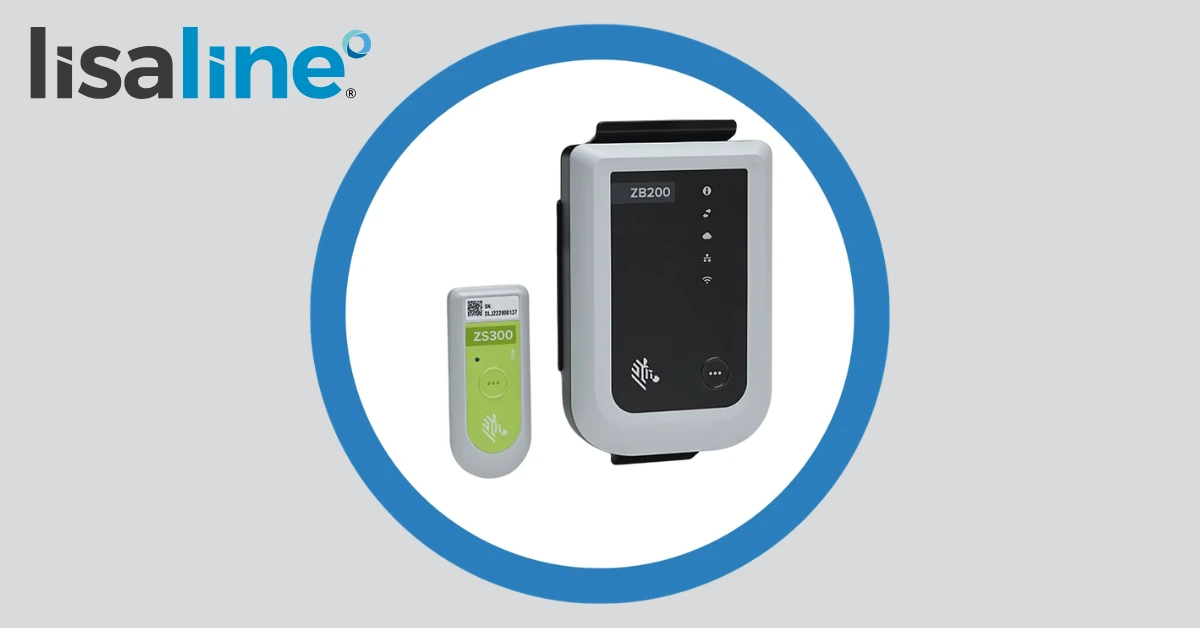
The complete Zebra environmental sensor solution includes three main components:
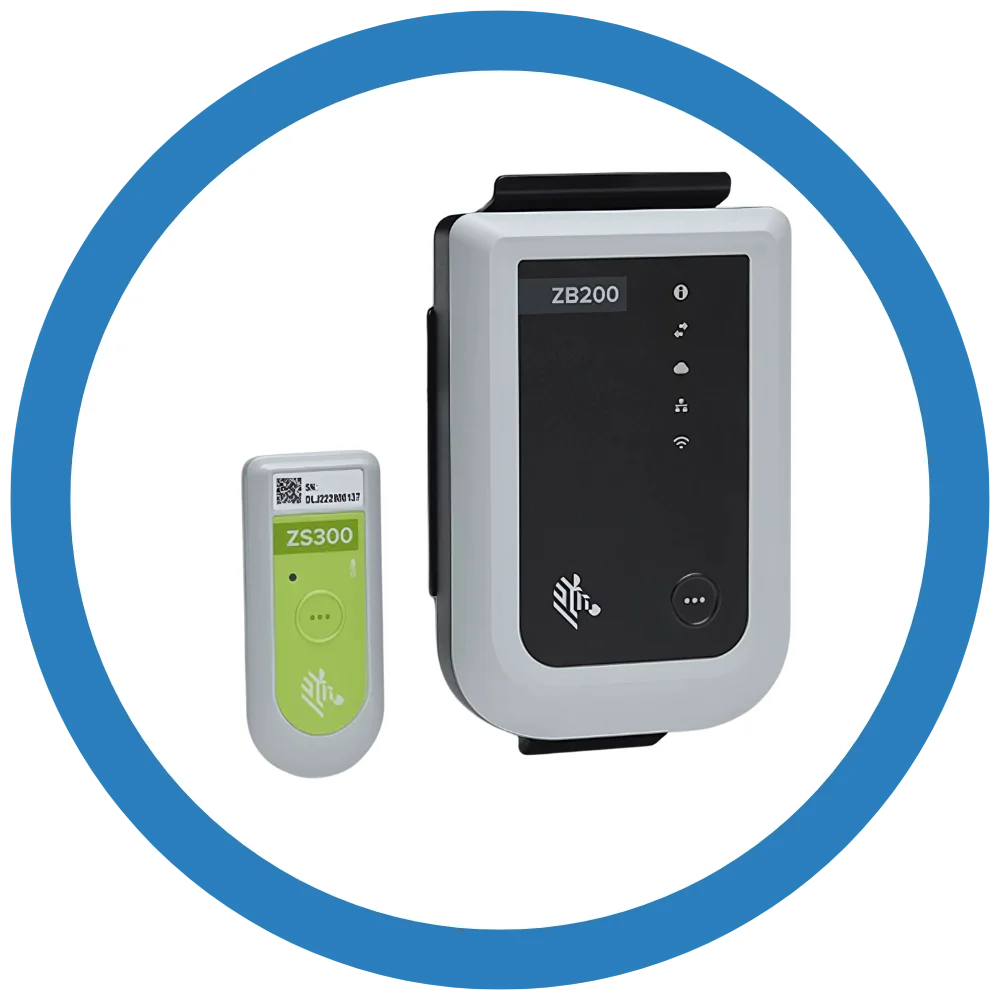
- Zebra ZS300 Sensor — the electronic wireless temperature sensor that records environmental data like temperature and moisture.
- Zebra ZB200 Bridge — collects data from multiple sensors and sends it to the cloud automatically.
- Android Sensor Discovery App (ZSFinder) — a mobile app that discovers and manages sensors via Bluetooth. It also acts as a software bridge for on-the-go use cases where a hardware bridge is not available.
- ZBSetup App — used to configure the ZB200 Bridge network settings, including Wi-Fi and static IP
Together, these components create a fully connected, cloud-powered monitoring ecosystem.
Zebra environmental sensors are backed by over 50 years of proven expertise in enterprise visibility and supply chain technology. They are not single-use disposables. They are reusable, durable, and designed to work reliably across many shipment cycles.
Lisaline Asia supplies the ZS300 wireless temperature sensor, which works on Bluetooth connectivity. It can be used as a standalone data logger or as a wireless temperature sensor.
How Do Zebra Environmental Sensors Work?
Understanding how Zebra environmental sensors work helps you see why they are so effective.
Here is a simple breakdown of the process:
Step 1 — The sensor records data. The Zebra ZS300 wireless temperature sensor starts logging temperature readings at configurable intervals. You can set the start time, reading frequency, and alarm thresholds before deployment.
Step 2 — Data is transmitted wirelessly. The ZS300 uses Bluetooth Low Energy (BLE) v5.2 to transmit data wirelessly. It does not need cables or manual data extraction.
Step 3 — The ZB200 Bridge or ZSFinder App collects the data. The ZB200 Bridge automatically picks up data from multiple ZS300 sensors within approximately 100 feet (30.5 metres). It reads through packages, containers, and vehicles — without needing direct line of sight. If a hardware bridge is not available, the ZSFinder app acts as a software bridge. Field teams can use the ZSFinder app on their Android or iOS device to collect data on the go.
Step 4 — Data goes to the cloud. The ZB200 Bridge sends all collected data to the Zebra Savanna™ centralized cloud platform. This happens automatically and in near real time.
Step 5 — You get alerts and insights. If the sensor detects a temperature outside the configured range, the Zebra Cloud platform sends an automatic alarm. Teams can take immediate action before product quality is compromised.
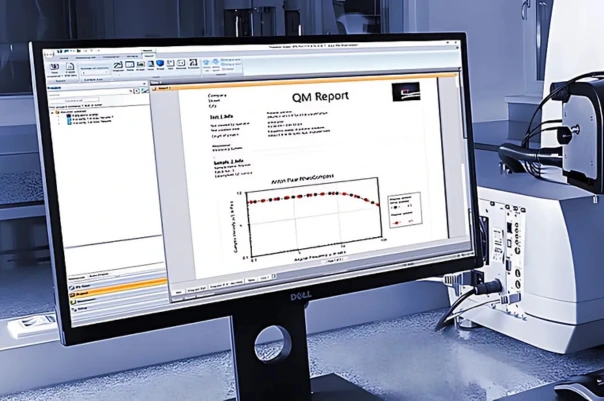
Step 6 — Reports are generated for compliance. The system generates detailed reports showing the complete temperature and location history of each shipment. Reports can be downloaded and published in Excel or PDF formats via a PC dashboard. These are ready for regulatory audits and internal quality reviews.
The entire process runs without human intervention. That is one of the biggest advantages of Zebra environmental sensors over traditional manual logging methods.
What are the Key Features of Zebra Environmental Sensors?
Zebra environmental sensors come with a strong set of technical features. Here are the most important ones:
Bluetooth Low Energy v5.2 Connectivity
The ZS300 uses high-performance BLE v5.2 for fast and reliable wireless data transmission. This makes it a true wireless temperature sensor, no cables, no manual reading, no delays.
IP67 Durability Rating
An IP67 rating means the sensor is dust-tight and can withstand temporary water immersion. It performs consistently even in harsh cold chain environments like refrigerated trucks, cold stores, and freezer warehouses.
Wide Temperature Range and High Resolution
The ZS300 covers a temperature range of -40°C to +85°C, with accuracy of ±0.3°C and a resolution of 0.01°C. This level of precision makes it suitable for frozen, refrigerated, and ambient monitoring applications where small deviations matter.
Up to 12-Month Battery Life with Deep Sleep Mode
The sensor operates for approximately 12 months on a single battery. It conserves power through a deep sleep mode when not in active use. A long button press of three seconds wakes the sensor from deep sleep when you are ready to start a task.
Configurable Alarm Thresholds
You can set custom temperature alarm limits for each sensor. When a threshold is breached, the cloud platform sends an immediate alert via the optional EventView subscription service.
16,000 Data Point Storage
The ZS300 stores up to 16,000 temperature readings internally. This ensures no data is lost even in areas with limited connectivity.
Reusable Design
The ZS300 is built to be used multiple times throughout its 12-month battery life. You can use it once or up to 50 times with consistent performance.
Built-In LED Status Indicator
The ZS300 has a three-colour LED that gives instant visual feedback on sensor status. A green blinking LED means the sensor is active with no alarm. Red indicates an active alarm. Yellow means the sensor has not yet been enrolled or added to a task. This makes it easy for field teams to check sensor status at a glance without needing a phone or device.
QR Code for Easy Identification
Each ZS300 sensor has a QR code printed on it. The QR code contains the sensor’s Bluetooth MAC address, serial number, and model number. This makes identification, registration, and management fast and straightforward.
Enterprise-Level Data Security
The ZS300 platform includes user-defined passwords, encrypted data transport, and a tenant system that ensures only you can access your data.
Easy API Integration and ZSFinder SDK
Developer tools and sensor management APIs allow businesses to integrate ZS300 data into their existing ERP, WMS, or quality management systems. Zebra also offers the ZSFinder SDK, which lets developers build custom mobile apps that connect directly to ZS300 sensors via Bluetooth — without needing a bridge device. This is ideal for bespoke cold chain use cases.
Sustainable Packaging and Recycling
Zebra environmental sensors are sold in multipacks with minimal biodegradable packaging. Zebra also offers a no-cost recycling programme for used sensors, with less than 1% of the product reaching a landfill.
How Do Zebra Environmental Sensors Help in Temperature and Moisture Monitoring in Cold Chain Logistics?
Cold chain logistics is one of the most demanding environments for environmental monitoring. Products must stay within a defined temperature range from the point of manufacture all the way to the end recipient. A single deviation can render an entire batch unusable.
Zebra environmental sensors address this challenge directly.
Continuous Temperature Monitoring
Traditional temperature monitoring relies on spot checks or manual data loggers. These create gaps in visibility. Zebra environmental sensors log temperature continuously at user-defined intervals. There are no gaps. Every moment of the product journey is recorded.
Real-Time Visibility Across the Entire Supply Chain
Whether the shipment is in a warehouse, a refrigerated truck, or a third-party distribution centre, Zebra environmental sensors deliver visibility throughout. The ZB200 Bridge reads through containers and vehicles automatically.
Immediate Temperature Excursion Alerts
When Zebra environmental sensors detect a temperature breach, an alarm is triggered through the Zebra Savanna cloud platform. Teams receive immediate notification. They can investigate, quarantine, or redirect shipments before the product is completely compromised.
Moisture and Multi-Parameter Monitoring
Beyond temperature, Zebra environmental sensors also monitor moisture levels. This is critical for products sensitive to humidity, such as certain pharmaceutical formulations, dried food products, and electronic medical devices.
Supporting Regulatory Compliance
The pharmaceutical and food industries are subject to strict temperature monitoring regulations. Zebra environmental sensors automatically generate audit-ready reports. These reports show the complete temperature and location history of every shipment.
Item-Level Monitoring at Every Stage
Zebra environmental sensors can be attached to pallets, individual boxes, or even single items. This level of granularity is not possible with integrated reefer monitoring systems alone. Item-level monitoring provides precise localised tracking, ensures data continuity if a reefer system fails, and delivers granular insights for particularly sensitive goods.
Visibility Across Third-Party Logistics Providers
Many cold chain operations involve third-party logistics (3PL) providers. Zebra environmental sensors give you visibility even in parts of the supply chain you do not directly control. Because the ZS300 is low-cost and easy to use, businesses can also request that their 3PL partners use ZS300 sensors in their vehicles and storage facilities. This closes one of the most significant visibility gaps in modern cold chain management.
What are the different applications of Zebra’s environmental sensors across industries?
| Industry | Application |
| Pharmaceutical | Vaccine, biologics, and drug storage and transit |
| Food & Beverage | Fresh produce, dairy, and frozen food monitoring |
| Healthcare | Blood products, tissue, and medical device transport |
| Life Sciences | Research sample and reagent monitoring |
What is the Zebra ZS300 Sensor?
The Zebra ZS300 is the flagship electronic sensor in Zebra’s environmental sensor range.
It is a compact, wireless temperature sensor and data logger built for supply chain use. It records temperature data continuously and transmits it wirelessly via Bluetooth Low Energy v5.2.
Here are the key specifications of the Zebra ZS300:
| Specification | Detail |
| Temperature Range | -40°C to +85°C |
| Accuracy | ±0.3°C |
| Resolution | 0.01°C |
| Connectivity | Bluetooth Low Energy v5.2 |
| Battery Life | Approximately 12 months |
| IP Rating | IP67 (dust-tight, water-resistant) |
| Data Storage | Up to 16,000 measurement data points |
| Wireless Range (via ZB200 Bridge) | Up to 100 ft (30.5 m) |
| LED Indicator | 3-colour (Red = alarm, Green = active, Yellow = unenrolled) |
| QR Code | Contains BLE MAC address, serial number, and model number |
| Packaging | Sold in multipacks of 10 |
| Recycling | No-cost recycling programme available |
For more technical specifications and details you can directly contact our team with your queries.
The Zebra ZS300 is designed for flexibility. You do not need to buy multiple pre-configured variants for different temperature ranges. A single ZS300 can be configured to the exact parameters required for each shipment.
This makes it a highly practical wireless temperature sensor for businesses managing diverse product portfolios.
The ZS300 also integrates seamlessly with the ZB200 Bridge and the ZSFinder Android app. Together, they form a complete monitoring ecosystem backed by the Zebra Savanna™ cloud platform.
How Does Zebra ZS300 Provide Cloud-Based Monitoring and Data Insights?
The Zebra ZS300 is far more than a standalone wireless temperature sensor. It is connected to an enterprise-grade cloud data platform.
Here is how the cloud-based monitoring works:
Zebra Savanna™ Cloud Platform
All data collected by ZS300 sensors is transmitted to the Zebra Savanna™ centralized cloud platform. This platform processes and stores temperature and location data from every sensor in your network.
You can access this data from anywhere, at any time, using authorised credentials.
Automatic Data Upload via ZB200 Bridge
The ZB200 Bridge automatically scans for ZS300 sensors within its range. When it detects a sensor, it uploads the logged temperature data to the cloud. No manual scanning is required.
This means data flows from sensor to cloud continuously, without any operator involvement.
Near Real-Time Alerts
If Zebra environmental sensors detect a temperature excursion, the Zebra Savanna platform sends an immediate alarm. This is enabled through the optional EventView subscription service.
Teams receive these alerts on their devices and can take corrective action quickly.
On-The-Go Data Collection with ZSFinder
Not every deployment has a fixed ZB200 Bridge in place. The ZSFinder app works as a software bridge for on-the-go use cases. Field teams can use ZSFinder on their Android or iOS device to connect to ZS300 sensors directly via Bluetooth and upload data to the cloud manually. This is especially useful for smaller operations or during shipment inspections at receiving points.
Data Export in Excel and PDF
Temperature data collected by Zebra environmental sensors can be downloaded and published in Excel or PDF formats via a PC dashboard. These reports are ready to share with quality managers, regulatory bodies, or customers without any additional formatting work.
Compliance Reports
The platform generates detailed reports showing temperature readings, timestamps, and location data throughout the product journey. These reports are important for regulatory audits and internal quality reviews.
Developer Tools and API Access
Businesses can use Zebra’s sensor management APIs to configure sensor settings remotely. They can also retrieve historical data from the Zebra Savanna platform using data APIs.
This makes it easy to integrate Zebra ZS300 data into existing enterprise systems like ERP, WMS, or quality management platforms.
Enterprise Security
All data interactions are protected by user-defined passwords and encrypted data transport. The “for your use only” tenant model ensures that no one else can access your supply chain data.
How Zebra Environmental Sensors Help Reduce Product Waste?
Product waste is one of the biggest cost drivers in temperature-sensitive supply chains.
According to industry estimates, billions of dollars of pharmaceutical and food products are wasted every year due to temperature excursions. Most of this waste is avoidable.
Zebra environmental sensors help reduce product waste in several important ways:
Early Detection of Temperature Breaches
Traditional monitoring methods detect problems only after the fact, often after a shipment has already been compromised. Zebra environmental sensors detect temperature excursions in near real time. This allows teams to intervene while there is still time to save the product.
Targeted Corrective Action
Not all temperature breaches result in product loss. Some excursions are minor and the product remains viable. With detailed data from Zebra environmental sensors, quality teams can make informed decisions about whether to quarantine, redirect, or accept a shipment.
This prevents unnecessary disposal of products that are still usable.
Improved Storage and Transit Conditions
The insights gathered from Zebra environmental sensors help businesses identify recurring problem areas. Maybe a specific cold store runs warm in summer. Maybe a particular transport route has unreliable refrigeration.
Over time, this data drives improvements to infrastructure and processes — reducing the frequency of temperature excursions.
Reduced Regulatory Penalties
Failure to maintain proper documentation of temperature monitoring can result in regulatory fines and product recalls. Zebra environmental sensors provide automatic, audit-ready documentation. This reduces the risk of compliance failures and the associated penalties.
Sustainability Benefits
Reducing product waste also reduces environmental impact. When fewer products are discarded, less energy, raw materials, and packaging are wasted.
Zebra reinforces this sustainability message by offering biodegradable packaging for sensors and a no-cost recycling programme for used devices.
What are the Best Practices for Using Zebra Environmental Sensors?
Getting the most from Zebra environmental sensors requires proper deployment and management. Here are practical best practices to follow:
1. Configure Sensors Before Deployment
Always configure your ZS300 sensor settings before attaching them to a shipment. Set the correct temperature alarm thresholds, logging interval, and start method for the specific product being shipped.
This ensures the sensor is calibrated to the product’s actual requirements, not a generic default.
2. Place Sensors in the Right Location
Sensor placement matters. Position Zebra environmental sensors in areas most likely to experience temperature fluctuations, near doors, air vents, or in the warmest zones of the storage area or container.
Avoid placing sensors directly against walls or packaging materials that may insulate them from the actual ambient temperature.
3. Ensure ZB200 Bridge Coverage
Make sure the ZB200 Bridge is positioned to cover all ZS300 sensors in your facility or vehicle. The bridge reads sensors within approximately 100 feet. For larger areas, use multiple bridges to ensure full coverage.
4. Subscribe to Real-Time Alerts
Enable the EventView subscription service to receive immediate alerts for temperature excursions. This turns your Zebra environmental sensors into a proactive monitoring system rather than a passive recording tool.
5. Integrate with Your Business Systems
Use Zebra’s developer APIs to connect ZS300 data with your existing ERP, WMS, or quality management systems. This gives your operational and quality teams seamless access to temperature data within their existing workflows.
6. Train Your Team
Make sure your logistics, quality, and warehouse teams understand how to use the ZSFinder app and interpret temperature reports. A well-trained team responds faster to alerts and uses the data more effectively.
7. Review Reports Regularly
Do not wait for an excursion alert to review your temperature data. Regular review of historical reports helps identify patterns and weaknesses in your cold chain before they cause a serious problem.
8. Follow the Recycling Programme
When ZS300 sensors reach the end of their battery life, use Zebra’s no-cost recycling programme. This keeps waste out of landfills and supports your organisation’s sustainability commitments.
Zebra ZS300 Standalone Bluetooth Data Logger and Wireless Temperature Sensor
The Zebra ZS300 is a versatile device that works in two ways.
First, it can be used as a standalone Bluetooth data logger. In this mode, the ZS300 records temperature data independently throughout a shipment. At the end of the journey, the data can be retrieved wirelessly via the ZSFinder Android app or through the ZB200 Bridge. This makes it ideal for single-shipment monitoring where a self-contained logging solution is needed.
Second, the Zebra ZS300 can also function as a wireless temperature sensor within a larger wireless data logging network. In this setup, multiple ZS300 sensors transmit data continuously to the ZB200 Bridge, which then pushes all readings to the Zebra Savanna™ cloud platform in near real time. This gives businesses centralised visibility across dozens or hundreds of sensors simultaneously.
Whether you need a simple, portable Bluetooth data logger for individual shipments or a scalable wireless temperature sensor network for an entire cold chain operation, the Zebra ZS300 handles both with equal reliability.
Why Choose Zebra ZS300?
There are many temperature sensors in the market. Here is why the Zebra ZS300 wireless temperature sensor stands out.
Proven Enterprise-Grade Reliability Backed by 50+ Years of Expertise
The ZS300 is built by Zebra Technologies, a company with over 50 years of experience in supply chain and enterprise visibility solutions. The sensor is trusted by food, pharmaceutical, and healthcare companies globally.
An IoT Device That Gives Your Shipments a Digital Voice
The Zebra ZS300 is a wireless Internet of Things (IoT) device. It gives every pallet, box, or container a digital voice, streaming temperature, location, and identity data to key stakeholders throughout the supply chain. This level of connectivity transforms cold chain monitoring from a passive record-keeping activity into an active, real-time intelligence system.
No Manual Intervention Required
Many competing sensors require manual scanning or physical download of data. The ZS300 works automatically. The ZB200 Bridge collects and uploads data without any human action. This saves time and eliminates the risk of missed readings.
Reusable and Cost-Effective
Unlike single-use temperature indicators, the ZS300 is reusable throughout its 12-month battery life. This lowers the cost per shipment over time.
Fully Configurable
One ZS300 sensor can be configured to different temperature ranges, alarm thresholds, and logging intervals. You do not need to stock multiple variants for different products.
Scalable Solution
The ZS300 ecosystem scales easily. Add more sensors, bridges, or API integrations as your operation grows. The Zebra Savanna cloud platform handles data from large sensor networks without performance issues.
End-to-End Supply Chain Visibility
The ZS300 provides visibility not just at the point of origin, but throughout the entire supply chain, including segments operated by third parties. This is a significant advantage over systems that only monitor within your own facilities.
Regulatory Compliance Ready
Automatic, timestamped temperature reports make it easy to demonstrate compliance with GDP, HACCP, FDA, and other applicable regulatory frameworks.
Why Choose Lisaline Asia as a Supplier for Zebra Environmental Sensors in India?
Sourcing the right cold chain monitoring equipment requires more than just finding a product catalogue. You need a supplier who understands your industry, your compliance requirements, and your operational challenges.
Lisaline Asia is a specialist in cold chain monitoring solutions. We supply the Zebra ZS300 sensor and the complete Zebra environmental sensor ecosystem to customers across India.
Here is why businesses choose Lisaline Asia:
Specialist Cold Chain Expertise
We focus exclusively on cold chain monitoring and temperature management solutions. We understand the unique demands of pharmaceutical, food, and healthcare supply chains in India. We do not just sell equipment, we help you find the right solution for your specific application.
Authorised Supplier of Zebra Environmental Sensors
Lisaline Asia is an authorised supplier of Zebra environmental sensors in India. When you source from us, you get genuine products backed by full manufacturer warranty and support.
End-to-End Solution Support
We do not stop at product supply. Lisaline Asia offers a full range of supporting services including calibration, validation and PQS testing, mapping services, after-sales service, and 24×7 online support.
This means your Zebra environmental sensors are always performing at their best.
Local Expertise with Global Standards
India’s cold chain regulations are evolving rapidly. Our team stays updated on the latest GDP guidelines, WHO standards, and Indian regulatory requirements. We help you select and deploy Zebra environmental sensors in a way that meets your compliance obligations.
Quick Response and Support
Our 24×7 support team is available to help you troubleshoot issues, replace sensors, and manage your monitoring system. You are never left without support in a critical situation.
Diverse Product Portfolio
Beyond Zebra environmental sensors, Lisaline Asia offers a comprehensive range of cold chain monitoring products. These include Bluetooth data loggers, GSM data loggers, USB data loggers, wireless datalogging systems, Zebra temperature indicators, and cold chain packaging solutions.
Whether you need a standalone wireless temperature sensor like the Zebra ZS300 or a complete cold chain monitoring system, Lisaline Asia has the right solution for you.
Conclusion
Cold chain failures are costly. They waste products, expose businesses to regulatory risk, and ultimately impact end consumers who depend on product safety and quality.
Zebra environmental sensors eliminate the guesswork from cold chain monitoring. They give you continuous, accurate, automated temperature visibility, across your entire supply chain, powered by the cloud.
The Zebra ZS300 is the heart of this solution. It is durable, configurable, reusable, and built for enterprise-grade supply chain operations. Whether you are monitoring pharmaceuticals, vaccines, food products, or healthcare supplies, the ZS300 delivers the data you need to protect your products and your business.
If you are looking to source Zebra environmental sensors in India, Lisaline Asia is your trusted partner. We combine deep product knowledge, local regulatory expertise, and end-to-end service support to help you get the most from your investment.
Contact Lisaline Asia today to enquire about the Zebra ZS300 sensor and our complete range of cold chain monitoring solutions.