
Blood is one of the most temperature sensitive products a healthcare facility handles. Blood is used for transfusion from blood donations. Therefore protecting the integrity of the blood components is important. A few degrees outside the safe range, even for a short window, can make a unit unusable. This is why temperature monitoring is not optional for blood banks, hospitals, and blood transport teams.
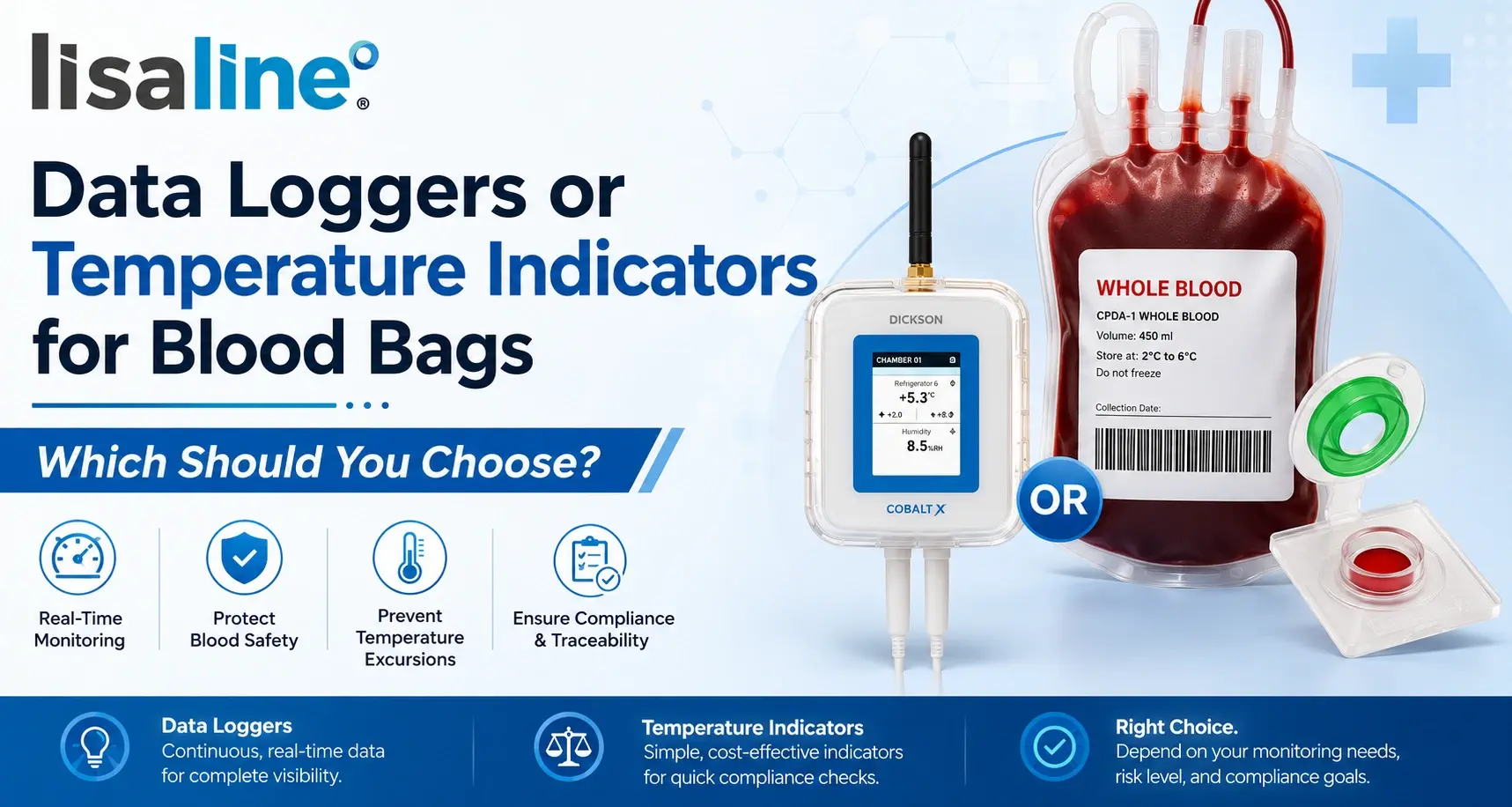
The main tools monitoring temperature in a blood bank are data loggers and temperature indicators for blood bags. Both monitor temperature however, the matter in which they monitor differs. While temperature indicators provide a safe or unsafe signal, data loggers provide a detailed time stamped record.
Therefore, depending on the use case, application, shipment volume, blood component being monitored, the choice differs. However the right choice may not always be choosing one over the other and might be choosing both. In this blog, we explore which choice is the better among data logers and temperature indicators for blood bags.
What are temperature indicators for blood bags?
Temperature indicators for blood bags are self-adhesive labels applied directly to the blood bag. They track the temperature of the blood component inside the bag through storage and transport.
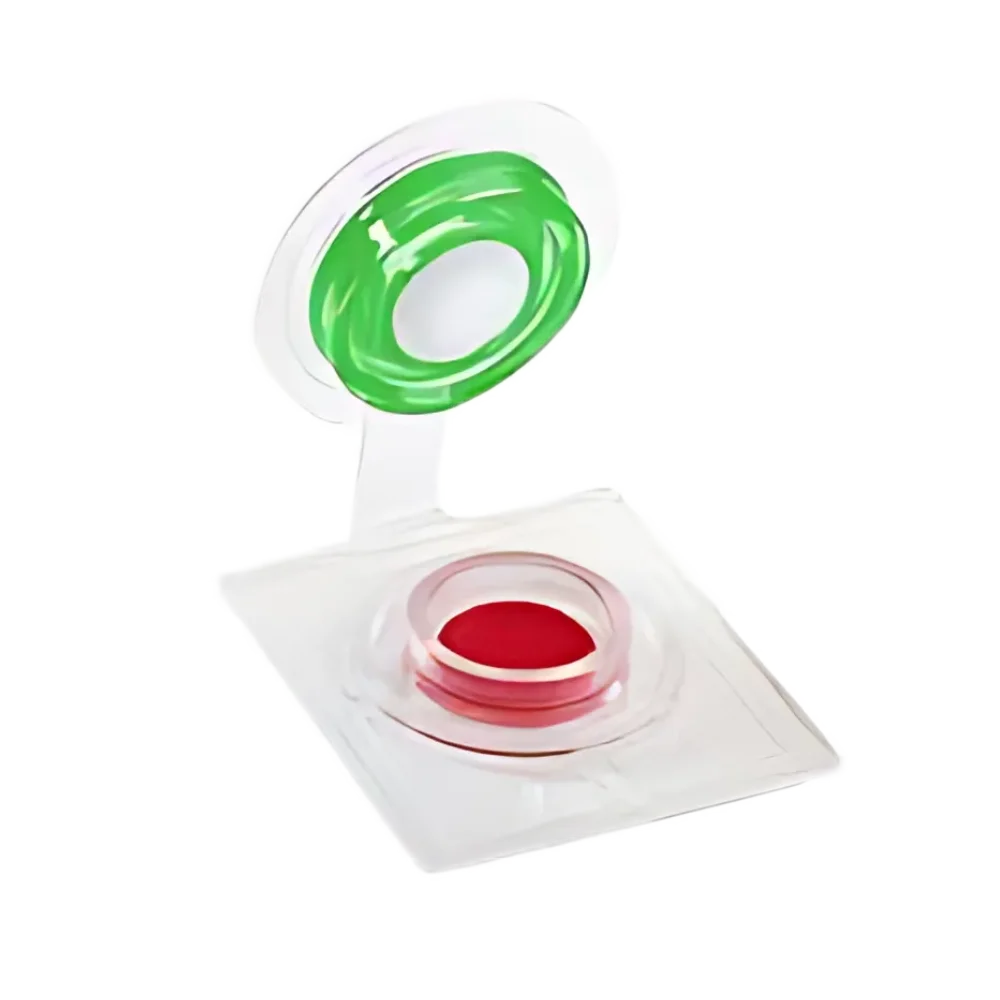
Each label is pre-calibrated to a safety threshold set for the specific blood component being monitored. If the blood bag crosses that threshold, the label changes colour. This change is irreversible. The label stays changed even after the blood returns to a safe temperature.
This gives staff a quick pass or fail check at any point in the supply chain. One glance tells you whether the blood has been exposed to unsafe heat or not. No calculations. No guesswork.
Safe-T-Vue Temperature Indicators by Lisaline Asia
Lisaline Asia supplies Safe-T-Vue labels, manufactured by Temptime, a Zebra Technologies company. They meet AABB standards for blood and transfusion services.
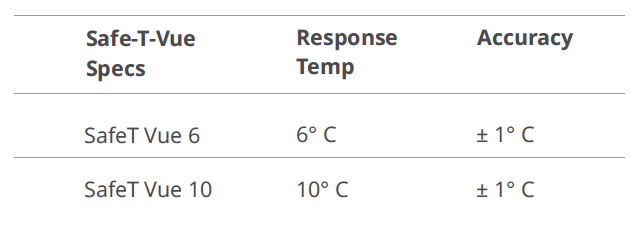
Safe-T-Vue comes in two variants: Safe-T-Vue 6 and Safe-T-Vue 10.
Safe-T-Vue 6
Safe-T-Vue 6 changes colour from white to red once the blood reaches or exceeds 6°C. It is built for refrigerated and temporary storage of red blood cells, whole blood, and plasma. As long as the label stays white, the component has stayed within safe cold storage limits and can be reissued.
Safe-T-Vue 10
Safe-T-Vue 10 changes colour from white to red once the blood reaches or exceeds 10°C. It is built for temporary storage and transport of red blood cells, whole blood packed cells, and plasma, where a slightly higher threshold applies during movement outside refrigeration.
Both variants are accurate to within ±0.4°C. Neither needs conditioning before use. Staff simply remove the label from the refrigerator, fold and snap it to activate, and attach it to the bag.
Because blood components carry different temperature tolerances, this two-variant range makes Safe-T-Vue temperature indicators for blood bags suitable across plasma, whole blood, and RBCs, without forcing every component onto the same threshold.
Want to know which variant suits your blood component?
What is the role of data loggers in blood bag temperature monitoring?
Data loggers are electronic devices used to monitor blood bags. They carry built-in sensors that record environmental conditions at set intervals, configured before deployment. Some models track temperature alone. Others go further and log relative humidity too, useful when a blood component is sensitive to moisture as well as heat.
Data loggers work across both storage and transport monitoring.
Storage Monitoring
During storage, the data logger sits alongside the blood bags inside the refrigerator or storage unit. This setup is common in blood banks, hospitals, and donation centers, anywhere blood is held before use.
If the model supports real-time monitoring, it connects over WiFi, LoRaWAN, Bluetooth, or 4G cellular, depending on the device. Readings stream to a cloud dashboard as they happen.
The dashboard checks each reading against the safe temperature range set for that specific blood component. The moment a reading falls outside range, the platform triggers an alert. This can go out as SMS, email, or a mobile app notification, straight to the team responsible.
Teams can step in before a small deviation turns into a full excursion, cutting down inventory loss. The dashboard also gives live visibility into current readings and lets you pull compliance-ready reports whenever needed, no manual log-keeping required.
Transport Monitoring
In transport, the data logger travels with the blood bag. It continuously records temperature, and humidity where supported, for the entire journey.
If the device supports real-time monitoring, it reports to the cloud dashboard the same way it does during storage. If not, it stores every reading locally. Once the shipment reaches its destination, the logger is plugged into a USB port on a laptop or computer, and the full data set is retrieved. This generates a timestamped, compliance-ready report covering the entire transit window, not just a snapshot at delivery.
Temperature indicators for blood bags give you a pass or fail at the point of delivery. One look, one answer.
Data loggers give you the full story. A timestamped, detailed record of every condition the blood bag passed through, from the moment monitoring started to the moment it ended.
Both exist to protect the same thing, the integrity of the blood supply. The real question is which one fits your monitoring need, and that’s what the next section breaks down.
Explore our Data Logger Range for Blood Bags
Lisaline Asia provides a range of data loggers from real time monitoring data loggers for storage and shipment monitoring to USB devices supporting offline monitoring. Get instant alerts, audit ready time stamped reports for compliance.
Explore our range and contact our experts to know which device suits your monitoring need.
Data Loggers vs Temperature Indicators for Blood Bags
Two ways to monitor blood bags. Here is how they differ, category by category. Tap any row to see the full picture.
Gives timestamped readings for the entire journey
Data loggers record a timestamped reading at every set interval. This lets you verify if an excursion happened and exactly when. You can spot repeat excursions and find gaps in your cold chain.
Gives one colour based pass or fail signal
Temperature indicators for blood bags show whether the product has crossed the specified temperature threshold. This comes through a single visual sign, the colour of the label. There is no record of when or where the exposure happened.
Monitors the surrounding environment, not each bag
A data logger cannot be placed inside every single blood bag. It monitors the environment around the batch. A single bag could be exposed to unsafe temperatures while the overall reading stays within range.
Applied to every bag, catches excursions unit by unit
Temperature indicators for blood bags attach directly to each bag. This gives unit level visibility. An excursion on a single bag does not go unnoticed, even if the rest of the batch stayed safe.
Tracks temperature, and humidity in supported models
Many data loggers go beyond temperature and also track relative humidity. Supported models can log other parameters too. This adds another layer of protection for moisture sensitive blood components.
Tracks temperature only
Temperature indicators for blood bags are built to track temperature alone. They do not measure humidity or any other environmental factor.
Safe range is configured during setup
The safe range on a data logger is set during configuration. This range can be changed for different blood components or different use cases as needed.
Threshold is fixed to the label variant
Each temperature indicator for blood bags variant is fixed to one indication temperature, 6°C for Safe-T-Vue 6 and 10°C for Safe-T-Vue 10. You choose the variant that matches the blood component being monitored.
Sends alerts the moment conditions drift
Data loggers with real time monitoring send an alert as soon as conditions move outside the safety threshold. This gives your team a chance to act before a small deviation becomes a full excursion.
No alert, only a colour change after the fact
Temperature indicators do not alert anyone in the moment. You find out about an excursion once the colour of the label has changed. There is no chance to intervene.
Provides timestamped PDF/CSV reports for detailed review
Data loggers record temperature readings with timestamps and can generate PDF or CSV reports. These reports provide a clear record of temperature conditions throughout the monitoring period and are helpful for verification during audits and inspections.
Provides a clear visual sign with a permanent colour change
Temperature indicators for blood bags provide a simple visual indication through a permanent colour change. The changed colour shows that the indicator has been exposed to conditions beyond its specified temperature threshold and is helpful for verification during audits and inspections.
Needs periodic calibration to stay accurate
Data loggers need periodic calibration to maintain measurement accuracy over time. This is usually carried out through an accredited lab, along with IQ/OQ validation for regulated environments.
Pre-calibrated at manufacture, no field calibration needed
Temperature indicators for blood bags are pre-calibrated to their indication temperature at the time of manufacture. There is no field calibration required before use.
Needs a battery, and a network for real time alerts
Data loggers run on a battery. Real time monitoring needs a network connection. Devices without real time monitoring need a laptop or computer for USB based data retrieval.
Needs no battery, power, network, or software
Temperature indicators for blood bags need none of this. No battery, no power source, no network, no software. Just the label itself.
Readings need a dashboard or report to interpret
Data loggers store detailed readings, but someone has to check the dashboard or pull the report to interpret them. This takes a small amount of time and familiarity with the platform.
Instant visual read, no training needed
Temperature indicators for blood bags give an instant answer. Anyone handling the bag can read the colour and know the result immediately, no training required.
Higher cost per unit, generally used for a batch or shipment
Data loggers come in both single use and reusable models. Even single use data loggers cost more per unit than a temperature indicator. Either way, they are best suited to monitoring an entire storage unit or shipment as a whole.
Low cost, single use, practical for every bag
Temperature indicators for blood bags are low cost and single use. This makes it practical to apply one to every individual bag without a heavy cost burden.
When Do You Need Temperature Indicators for Blood Bags?
Monitoring Individual Units
Every blood bag carries its own risk of exposure, separate from the batch around it. Temperature indicators attach directly to each bag. This catches an excursion on a single unit, even if the rest of the batch stayed within range.
Last Mile Delivery Monitoring
The final leg, from a blood bank to a hospital or a transfusion site, is often short, quick, and handled by different people each time. A temperature indicator travels with the bag through this leg and gives an instant read the moment it arrives.
Remote or Low Infrastructure Settings
Some blood banks, especially in smaller towns or field locations, do not have reliable power or network connectivity. A temperature indicator does not depend on either, so it keeps working exactly where a data logger would struggle to report back.
Mobile Blood Donation Camps
Camps and field collection drives move fast and do not have a fixed setup. A temperature indicator is quick to apply and needs no equipment to carry along, which fits this kind of on-the-go collection.
Bedside Checks Before Transfusion
Clinical staff often need one last confirmation at the point of use, not a report to pull up and interpret. A temperature indicator gives that instant answer in the moment it matters most.
High Volume Monitoring on a Budget
Covering a large number of bags makes applying a data logger to each one impractical and costly. Temperature indicators for blood bags are low cost enough to apply across the full volume without straining the budget.
A Simple Safe or Not Safe Signal
Not every point in the supply chain needs a detailed report. Sometimes the only question that matters is whether the bag is still usable. A temperature indicator answers that in one glance.
Catching What Data Loggers Can Miss
A data logger monitors the environment around a batch, not each bag individually. If one bag inside that batch gets exposed while the surrounding reading stays safe, the data logger will not flag it. A temperature indicator on that same bag will.
When should you choose data loggers for blood bag temperature monitoring?
01. Accurate, Timestamped Records
Data loggers capture a time specified record of temperature, and humidity in supported models. This gives an accurate account of the conditions the blood bag went through, not just a single reading at the end.
02. Pinpointing Where Excursions Happen
The timestamped record shows exactly where in the journey an excursion occurred. This makes it possible to spot recurring excursions and find the specific gaps in your cold chain that keep causing them.
03. Real Time Alerts to Prevent Excursions
Real time alerts flag a deviation the moment it starts. This gives teams the chance to step in and act before a small deviation turns into a full excursion. You can get these alerts on your phone as SMS, email, or through a mobile app, as long as the data logger has network coverage at that point in the journey.
04. Audit Ready Compliance Reports
Data loggers allow audit ready, timestamped PDF or CSV reports to be downloaded on demand. These support verification during audits and inspections, and help meet FDA regulations and GDP practices. Because the data is captured and stored automatically, it creates a clear audit trail that is difficult to alter after the fact. Auditors and inspectors can rely on this record as accurate documentation during compliance checks.
05. Monitoring High Value Batch Shipments
Data loggers monitor an entire batch together. This makes them well suited to shipments of high value blood products, like plasma, rare blood group units, and red blood cells. Tracking the batch as a whole gives visibility across the full shipment without needing a separate device on every bag.
06. Continuous Facility Level Monitoring
Blood banks, hospitals, and donation centers need to monitor storage conditions on an ongoing basis. Data loggers stay in place and log this data continuously, giving visibility into refrigerator and freezer performance day after day.
Can You Use Both Data Loggers and Temperature Indicators for Blood Bags Together?
Yes, you can use both blood bags and temperature indicators for monitoring the temperature of your blood bags. Most facilities and blood banks follow this practice.
While data loggers monitor an entire batch, temperature indicators for blood bags go on each unit and monitor individual blood bags. This helps you identify excursions that would otherwise go unnoticed if not flagged in a data logger.
Temperature indicators give a pass or fail signal. This is very useful at the point of delivery where you just need a verification whether the blood product is safe or not rather than pulling the entire readings.
Sometimes temperature indicators for blood bags might produce false triggers. This is where data loggers come into play. Data loggers can verify whether the temperature indicators produced an accurate result or not.
Using both data loggers and temperature indicators for blood bags is also a good practice for regulatory compliance since data loggers provide a time stamped PDF/CSV report establishing a clear audit trail that is tamperproof. This helps to meet the FDA regulations and GDP practices. Temperature indicators for blood bags also align with several standards, a tamperproof clear visual sign verifiable during inspections.
Where to Get Reliable Data Loggers and Temperature Indicators for Blood Bags in India?
Looking for reliable data loggers and temperature indicators for blood bags? Your search ends here.
Lisaline Asia is the official supplier of international manufacturers like Zebra, Tempmate, and Dickson. We also manufacture our own Degrite S USB data logger, combining international expertise with local presence. Alongside these data loggers, we supply temperature indicators from Temptime, a Zebra company, and Hemokool cold chain boxes for the safe transport of blood bags.
Lisaline Asia has led cold chain monitoring innovation in India since 1998. We introduced the world’s first miniaturised Vaccine Vial Monitor to the country, built specifically to monitor vials for India’s Polio Eradication Programme. Since then, we have supplied temperature indicators across multiple cold chain monitoring applications, including HEATmarker, Safe-T-Vue, LIMITmarker, and FREEZEmarker. Our data loggers and temperature indicators are used across major facilities and immunisation programmes worldwide, the polio vaccination programme in India being one clear example of this scale.
Our data loggers align with 21 CFR Part 11, GDP, and GxP practices, giving you data you can rely on during audits and regulatory inspections. Our temperature indicators for blood bags align with recognised standards for their specific application. HEATmarker aligns with WHO PQS requirements for vaccine cold chain monitoring, and Safe-T-Vue aligns with AABB standards for blood and transfusion services.
Sourcing your data loggers and temperature indicators for blood bags, and other temperature sensitive items, from Lisaline Asia comes with real advantages. You get genuine devices and labels. Each one is backed by manufacturer support and warranty, along with official product documentation, including calibration and validation certificates. Our data loggers also come pre-calibrated from the manufacturer, and we follow this up with regular, time to time calibration to keep every reading accurate.
When you choose Lisaline Asia, you are not just choosing a supplier. You are choosing a cold chain monitoring partner. We help you select the right model for your use case, configure your data loggers, set the correct logging intervals, and pair devices with the cloud platform. We carry out thermal mapping to identify exactly where a data logger should sit within your facility, along with installation and IQ/OQ validation.
We also handle calibration on an ongoing basis to keep your sensors accurate. Not just any calibration. In-house and in-lab calibration from an ISO 17025 certified, NABL accredited facility, both in-lab and on-site. Our products also carry WHO PQS certified validation.
Beyond setup, we provide preventive maintenance contracts, 24/7 online support, and genuine spare parts. Our support continues well after the sale, covering technical assistance and customer service across India, South Asia, and the Middle East.
Want reliable blood temperature monitoring with data loggers and temperature indicators for blood bags?
Conclusion
Choosing between data loggers or temperature indicators for blood bags is a critical decision. The right choice depends on your monitoring need.
If you need a quick pass or fail signal, temperature indicators for blood bags are the simpler fit. If you need a detailed, timestamped record for audits and inspections, a data logger gives you that depth.
It also depends on what you are monitoring. Individual blood bags need unit level coverage. Batches and shipments need visibility across the whole consignment. Access matters too. A laptop or computer for data retrieval, and network coverage for real time alerts, are not always available at every point in the cold chain.
In most cases, the best choice is not one or the other. It is both. Temperature indicators for blood bags monitor each individual unit, while data loggers monitor entire batches and shipments. Together, they close the gaps either one would leave on its own, so no temperature excursion goes unnoticed and every blood component reaches the blood bank safe for use.